

homogamy
- noun
- /həˈmɒɡəmi/
- Specialized
- In some plants, homogamy ensures that self-pollination can occur efficiently.
Examples
-
The botanist observed homogamy in the wildflowers, noting that all reproductive organs matured together.
-
Species with homogamy often have a higher chance of self-fertilization in isolated environments.
-
What is homogamy?
-
The plant exhibits homogamy in its reproductive cycle.
-
In certain species, homogamy allows the flower to self-fertilize by maturing its reproductive organs simultaneously.
-
The study highlighted how homogamy promotes efficient reproduction in plants by synchronizing the maturing of male and female organs.
-
Within its lifecycle, the flower demonstrates homogamy, leading to effective self-pollination when conditions are right.
Synonyms
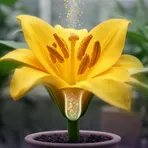
A way a flower or plant makes seeds using its own pollen

A flower making seeds using its own pollen
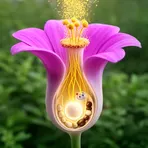
When a plant or animal uses its own sperm and eggs to make young
Surface Forms
Morphology
homogamy = homo + gamy
Built from the combining forms 'homo-' (same) + '-gamy' (marriage/reproductive union), but the botanical sense (simultaneous maturation of reproductive organs) is a technical extension that is not obvious to an average learner.
Etymology
Homogamy comes from homo- 'same' and -gamy 'marriage', as in monogamy, so it suggests a 'same joining'. In plants, homogamy means the male and female parts mature at the same time, allowing a flower to self-pollinate.

