

hibernation
 10
3.9
10
3.9

- noun
- /ˌhaɪbərˈneɪʃən/
- Animals waking from hibernation will have nothing to eat!
- winter hibernation
Examples
-
The calls of pikas signal their return to the surface, and marmot tracks tell of their awakening from hibernation.
Academic text (1991) -
It is time for our winter hibernation.
-
So, what would make the bear wake up from the deep sleep of hibernation anyway?
-
First off, I discovered that hibernation takes different forms in different animals.
Academic text (2007) -
An animal preparing for hibernation suddenly starts gaining weight.
Academic text (2007) -
And in early autumn, we can watch the bats swarm outside their hibernation sites.
-
The beginning and end of hibernation are triggered by the mosquito's internal biological clock and the length of daylight.
Academic text (1992) -
There they will remain in hibernation, still and dormant, until the spring sun warms the soil enough to stir them from their slumber.
-
Her father, Grant, spent his days studying black bears in Minnesota, sneaking into their hibernation dens to change the batteries in their collars.
Fiction book (1998) -
During winter, bears enter a state of hibernation to conserve energy while food is scarce.
Synonyms
 12
8.1
12
8.1
Not moving or changing for a time
 11
7.7
11
7.7
A temporary stop of heart and breathing that makes a person look dead but can be brought back
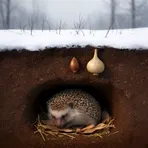 3
6.2
3
6.2
A time when a plant or animal is inactive and not growing
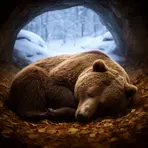
Sleeping through the winter to save energy
Antonyms


How Inactive

Surface Forms
Morphology
Etymology
Hibernation comes from the Latin root hibern- meaning 'winter', so it originally meant 'spending the winter'. Animals enter hibernation by slowing their body processes and saving energy to survive the cold months.