
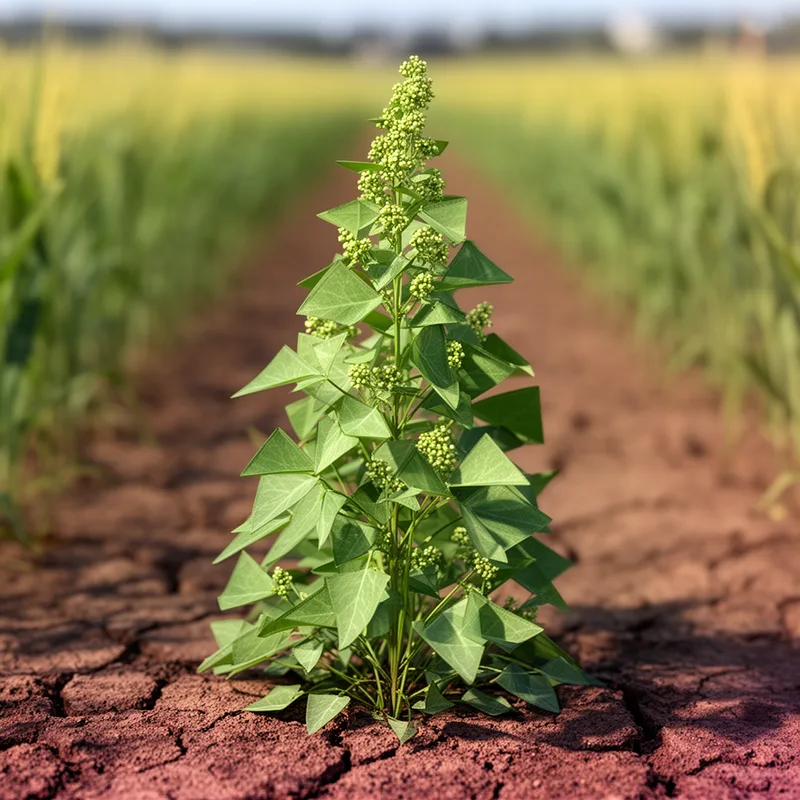
goosefoot
- noun
- /ˈɡuːsˌfʊt/
- Specialized
- In the 1860s, oak-leafed goosefoot (Chenopodium glaucum) was discovered in the Great Lakes and probably gained access to and spread within the Great Lakes with the aid of soil disturbance associated with the building of railroad beds.
Examples
-
The farmer struggled to control the growth of goosefoot weeds in his vegetable garden.
-
Spider plants, peace lilies, golden pothos, and goosefoot plants
Blog text (32) -
A little bit here and a little bit there, and pretty soon his packs would be filled with buffalo meat, elk, antelope, biscuit root, goosefoot—all things naturally available.
Fiction book (1992) -
Many gardeners consider goosefoot a nuisance due to its rapid spread and tough roots.
-
In their quest for healthy soil, farmers often encounter goosefoot in their fields.
Synonyms

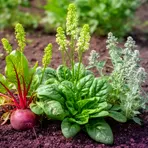
A group of flowering plants like goosefoot, some grown for food and others as weeds
Compounds
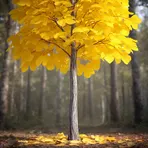
A maple tree with striped bark and large two-lobed leaves that turn bright yellow in autumn
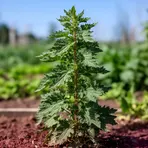
A plant from Europe that lives one year, now common in North America, with coarse, toothed leaves
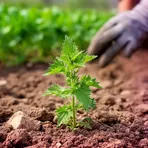

A small annual weed with green flower spikes and white hairy undersides of its leaves

An annual weed with green flower spikes and white, hairy leaf bottoms often found in gardens and fields

A plant that lives one year with red stems that people often call a weed and that sometimes harms animals

- Specialized
A small plant with strong-smelling leaves that grows in disturbed places
Surface Forms
Morphology
Etymology
The word goosefoot comes from the simple words goose and foot because the plant's leaves look like a goose's foot. That's why goosefoot refers to plants with triangle-shaped or diamond-shaped leaves and the image helps you remember this wild plant.

