

Chenopodium
- noun
- /kəˈnɒpədiəm/
- Specialized
- Some species of Chenopodium are cultivated for their edible seeds.
Examples
-
The leaves of Chenopodium are often shaped like a goose's foot.
-
We found wild Chenopodium growing along the edge of the field.
-
The Chenopodium plant thrives in various climates.
-
Did you know that Chenopodium can be used in salads?
-
Some species of Chenopodium are cultivated for their edible seeds.
-
The leaves of Chenopodium are often shaped like a goose's foot.
-
We found wild Chenopodium growing along the edge of the field.
Compounds

- Specialized
A common wild plant with soft green leaves you can cook and eat like spinach, also called lamb's quarters

- Specialized
A herb with a strong smell used in Mexican cooking and traditional medicine
- Specialized
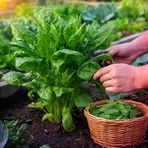
A leafy green plant like spinach that grows for several years and is eaten as a vegetable

- Specialized
A plant from Europe and Asia with a strong smell, oak-shaped leaves and many small yellow-green flowers

- Specialized
A small plant that lives for one year with red berrylike fruit and edible leaves

- Specialized
An annual plant often found as a weed with greenish flower spikes and white, hairy undersides to its leaves

- Specialized
A small wild plant in the goosefoot family sometimes poisonous to pigs

- Specialized
A small annual plant with rough toothed leaves that often grows as a weed near roads and fields

- Specialized
A flowering plant called red goosefoot that grows wild in Europe, Asia, and North America
Surface Forms
Etymology
The word Chenopodium comes from Greek parts cheno- ('goose') and -podion ('little foot'). The leaves often look like a goose's foot, so people call it 'goosefoot' and some kinds are eaten.

