
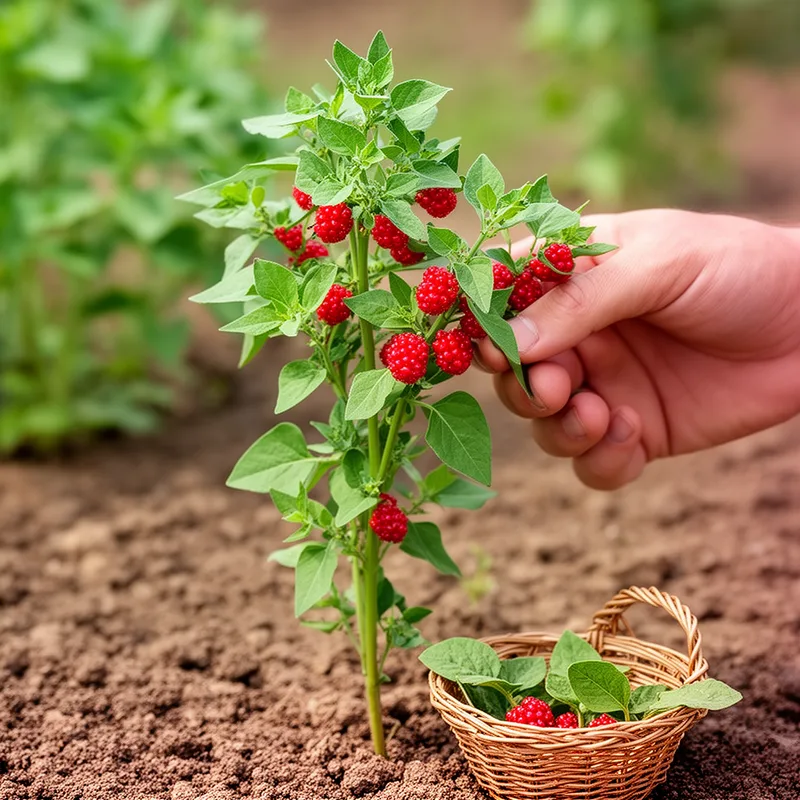
Chenopodium capitatum
- noun
- Specialized
- Many foragers harvest the edible leaves and fruits of Chenopodium capitatum in early summer.
Examples
-
The vibrant red berries of Chenopodium capitatum make it an attractive addition to wild gardens.
-
Botanists observed Chenopodium capitatum thriving in disturbed soils across North America.
-
The Chenopodium capitatum is often found in wet areas.
-
Have you ever seen a Chenopodium capitatum plant?
-
Many foragers harvest the edible leaves and fruits of Chenopodium capitatum in early summer.
-
Botanists observed Chenopodium capitatum thriving in disturbed soils across North America.
-
The vibrant red berries of Chenopodium capitatum make it an attractive addition to wild gardens.
Synonyms

A European annual plant with small red berries and edible leaves
A European annual plant with greenish flower clusters and small red, berry-like fruits
A European plant that lives for one year with small green flowers and bright red berries
Surface Forms
Morphology
Chenopodium + capitatum
This is a Latin binomial scientific name rather than a compositional English phrase; the second element is not an ordinary English word (listed as not found) and the genus name is taxonomic. A B1 learner who knows English words would not be able to derive the botanical meaning from these constituents, so the expression is effectively idiomatic/opaque for general learners.
Etymology
Chenopodium capitatum gets its species name, capitatum, from a Latin word for 'head' because its small flowers and red fruits form a tight, round head that looks like a tiny strawberry. The first part, Chenopodium, links it to the 'goosefoot' plant group, and that round red 'head' is why people call it 'strawberry blite' today.

