

to gobble up
 19
3.0
19
3.0

- phrasal verb
- /ˈɡɑbəl ʌp/
- Informal
- Now, healthy doggy Rocky cares about his poor sick friend Taffy, but he still quickly gobbled up the treat.
Loading YouTube…
Watch on YouTubeAnd when you're starving, those crumbs are gobbled up and cherished because you're so hungry.
- And when you're starving, those crumbs are gobbled up and cherished because you're so hungry.
- They're motile, they can crawl around, they have long processes and they can gobble things up.
Examples
-
The audience in Worcester eagerly gobbled up the whole apple pie served by Stormer.
Academic text (1992) -
The BABYZILLA kneels down and immediately starts gobbling up the dead fish lying nearby.
Fiction book (1998) -
It's gobbling up all my fruit.
-
Ask her how much poison she'd gobbled up by mistake?
Fiction book (1992) -
Amazon Basics is starting to gobble up market share in various areas of commerce.
-
The kids watched like they were looking at cartoons, which is to say, they gobbled it all up.
Fiction book (2000) -
Hackers, governments, ad companies, and ISPs are all gobbling up your data, like all of it.
-
You've had your dinner, and you've gobbled up all the cheese biscuits!
-
The Sheep Herder Hill fire continues to gobble up forest and grassland on Casper Mountain.
Blog text (15) -
The hungry toddler gobbled up his lunch in no time.
Synonyms
 ∞
1.0
∞
1.0
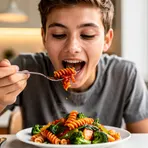
Put food or drink into your mouth, chew it and swallow it
 161
3.3
161
3.3
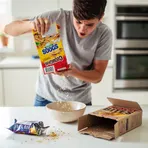
To eat or use something quickly until it is finished
 109
5.8
109
5.8
To eat a lot quickly until you feel too full
 30
2.9
30
2.9
Eat a quick meal when you are busy or in a hurry
 26
8.0
26
8.0
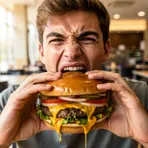
To eat food quickly and eagerly
 21
1.9
21
1.9
To start eating eagerly, often at a shared meal
 16
2.6
16
2.6
To eat food quickly and noisily without chewing properly
 13
2.9
13
2.9
To eat food quickly because you are very hungry
 9
7.7
9
7.7
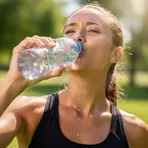
To drink or eat something very quickly, often without pausing
 7
5.8
7
5.8
Eat food very quickly when you are very hungry
 6
3.1
6
3.1
To eat or drink something quickly without stopping
 5
2.8
5
2.8
Completely swallow something like land or light
 3
8.2
3
8.2
To eat a lot of food very quickly
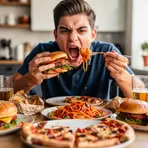 3
3.4
3
3.4
To eat a large amount of food quickly
 2
4.0
2
4.0
To eat a lot of food eagerly
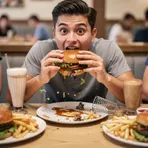 2
3.7
2
3.7
Eat all the food very quickly


 1
5.7
1
5.7
To eat a lot of food quickly while enjoying it
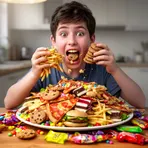 1
9.9
1
9.9
To eat a lot of food very quickly

To eat or drink very quickly, often without chewing

To eat a lot of food very fast without stopping

To eat food quickly and greedily

To eat too much food in a greedy way

To eat something quickly and enjoy it
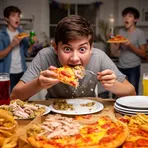
To eat a lot of food very quickly
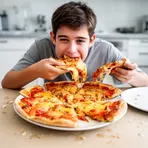
To eat a lot of food quickly and greedily

To eat too much in a greedy way
Antonyms

How Fast
- Informal
7
5.8
 13
2.9
13
2.9
- Informal
19
3.0
∞
1.0
56
2.0
5
4.6
Surface Forms
Morphology
The verb 'gobble' already means to eat quickly, and the particle 'up' adds a completive/intensifying sense common in English phrasal verbs (compare 'eat up'). This compositional pattern is productive and directly derivable from the constituents, so a B1 learner who knows both words would readily infer the meaning.
Etymology
Gobble up comes from the noisy, quick way animals like turkeys eat: they gobble food fast, and up gives the idea of finishing it all. So, it means 'to eat something quickly and eagerly'.