

geotectonics
- noun
- /ˌdʒiːoʊtɛkˈtɒnɪks/
- Specialized
- Many universities offer courses in geotectonics and geology.
Examples
-
Modern geotectonics combines data from geology, physics, and chemistry to study Earth's crust.
-
The study of geotectonics is crucial for understanding earthquakes.
-
Scientists use geotectonics to understand how earthquakes and volcanoes are related to plate movements.
-
The field of geotectonics has greatly advanced our knowledge of mountain formation.
-
Dr. Trevor Anderson specializes in geotectonics, focusing on the large-scale movements of the Earth's crust.
-
The conference on geotectonics attracted many scientists interested in the structure of the Earth's interior.
-
Studying geotectonics helps us understand earthquakes and volcanic activity resulting from tectonic shifts.
Synonyms

 8
6.5
8
6.5

The study of how the Earth's outer layer moves and changes
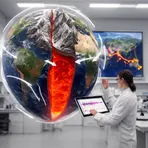
The study of forces that shape Earth's structure and cause its movement
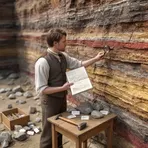
Old word for the study of the Earth's rocks and layers
Surface Forms
Morphology
geotectonics = tectonics (semi-transparent) = geo + tecton + ics
The term is formed by adding geo- 'earth' to the technical base tectonics, but the scientific specialization makes it only partly transparent.
Etymology
Geotectonics begins with geo- meaning 'Earth' and the tectonics part comes from a root meaning 'to build', similar to the familiar word architecture about building. So, geotectonics is like studying how the Earth's outer layer is 'built' and how those large parts move, which is why the field looks at the structure and big movements of the Earth's crust.