
tectonics
 8
6.5
8
6.5

- noun
- /tɛkˈtɑnɪks/
- Specialized
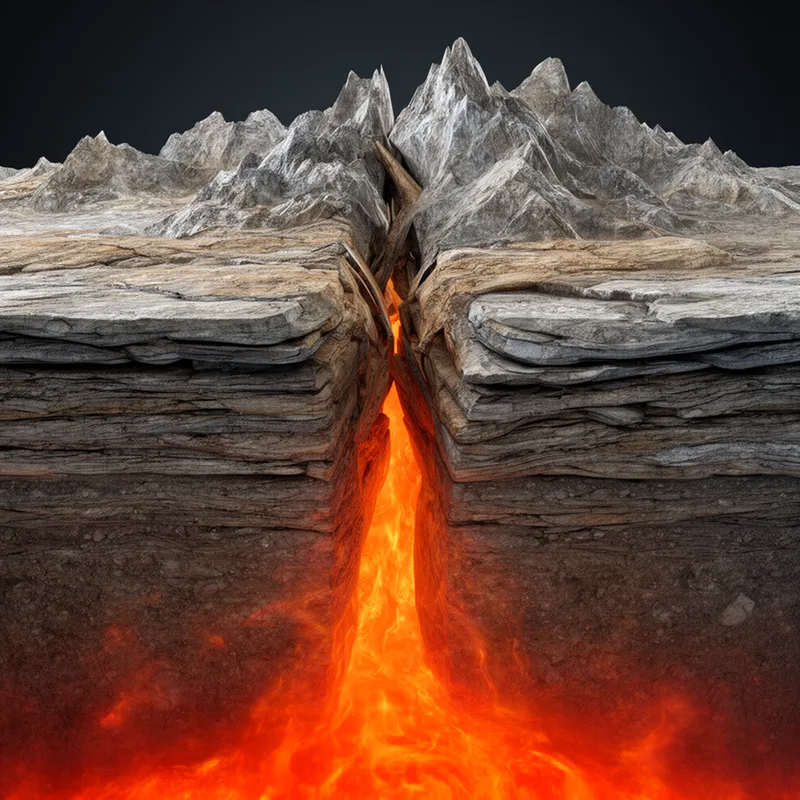
- The theory of tectonics not only addresses the movement of the Earth's plates but also the formation of mountains.
- plate tectonics
- theory of tectonics
Loading YouTube…
Watch on YouTubeThere's no plate tectonics on any other planet.
- There's no plate tectonics on any other planet.
Examples
-
Scientists study tectonics to understand earthquakes and volcanic activity.
-
There's no plate tectonics on any other planet.
-
You know about Plate Tectonics, right?
-
So plate tectonics is thought to occur only on Earth.
-
On Earth, plate tectonics is responsible for most of the cooling of the still-hot interior.
Academic text (1995) -
In plate tectonics, the rigid outer layer, or lithosphere, is broken up into sections, the plates.
Academic text (1995) -
Today, plate tectonics, which explains continental drift, is a full-fledged physical theory with abundant observational support.
Academic text (1990) -
Plate tectonics explains how the Earth's surface is shaped by the movement of its plates.
Synonyms

The study of the Earth's outer layer of rock and how it moves and forms features
The study of forces that shape Earth's structure and cause its movement
Compounds

- Specialized
5
3.9
Theory that Earth's outer layer is split into large moving plates that cause earthquakes and mountains
Surface Forms
Morphology
tectonics = tectonic (semi-transparent) = tecton + ic + s
Built from the adjective 'tectonic' with the field-forming suffix (-ics/-s); the relation is predictable in form but the root 'tecton-' is rare and specialized so full transparency for an average learner is limited.
Etymology
Tectonics comes from the ancient Greek tekton, which means 'builder', and it is the same root as architect, so you can think of the Earth's crust as being slowly 'built' and reshaped into mountains and oceans. So geological tectonics is the study of how the Earth's outer shell is 'built' and moves.