
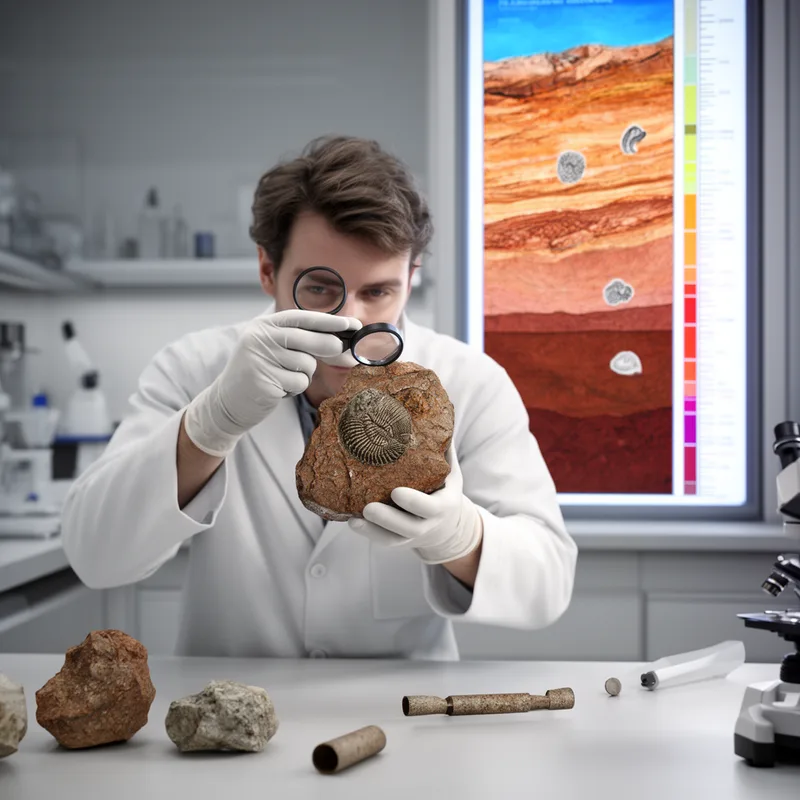
geological dating
- noun
- /ˌdʒiəˈlɒdʒɪkəl ˈdeɪtɪŋ/
- Specialized
- By applying geological dating techniques, the team was able to estimate the age of the fossil more accurately.
Examples
-
The geological dating is essential!
-
Advances in geological dating have improved our understanding of Earth's history.
-
Scientists used geological dating to determine that the rocks were more than a billion years old.
-
The geological dating process is fascinating.
-
Geological dating revealed that these fossils are over 75 million years old.
-
By using geological dating, scientists can accurately determine when a volcanic eruption occurred.
-
The team used geological dating methods to establish the timeline of rock formation in the area.
Synonyms
 49
7.4
49
7.4

Finding how old rocks, fossils, or objects are by chemical tests


 1
8.2
1
8.2
A study that finds how old rocks are and when Earth events happened
How Accurate
- Specialized
1
4.8

- Specialized
- Specialized
Surface Forms
Morphology
The meaning is directly compositional: 'geological' (relating to Earth's physical structure) qualifies 'dating' (determining an age), so 'geological dating' straightforwardly means determining the age of rocks/fossils. This modifier+noun pattern is common across languages and would be inferable by a B1 learner who knows both constituent words.
Etymology
Geological dating comes from the idea of giving rocks a 'birthday': scientists read natural marks, like tree rings or tiny 'clocks' inside minerals, to tell how old a rock is. So geological (rock-related) plus dating (finding an 'age') explains why it means 'finding the age of rocks, fossils, or formations'.