

genus Pinguicula
- noun
- /ˈdʒɛnəs pɪŋˈɡwɪkjʊlə/
- Specialized
- The genus Pinguicula contains plants known for their sticky, insect-trapping leaves.
Examples
-
Researchers discovered a new species belonging to the genus Pinguicula in South America.
-
Gardeners appreciate members of the genus Pinguicula for their unusual insectivorous habit.
-
The genus Pinguicula includes many fascinating species.
-
Did you know that genus Pinguicula is also called butterwort?
-
Gardeners appreciate members of the genus Pinguicula for their unusual insectivorous habit.
-
Researchers discovered a new species belonging to the genus Pinguicula in South America.
-
The genus Pinguicula contains plants known for their sticky, insect-trapping leaves.
Synonyms
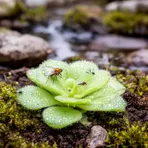
A small plant with little stem and sticky leaves that catch and eat insects in damp places
Surface Forms
Morphology
The phrase simply combines the noun 'genus' (a biological rank grouping related species) with the proper name 'Pinguicula' (the botanical genus name), so its meaning — the genus called Pinguicula — is directly derivable from its parts. This taxonomic naming pattern is a regular, compositional structure (common across languages), making it immediately comprehensible to learners who know both constituents.
Etymology
Genus Pinguicula gets its name from the Latin word Pinguicula, meaning 'little butter', because the plants have shiny, oily leaves that look like butter. That's why these 'butterwort' plants are named for their greasy, sticky leaves that trap insects.

