
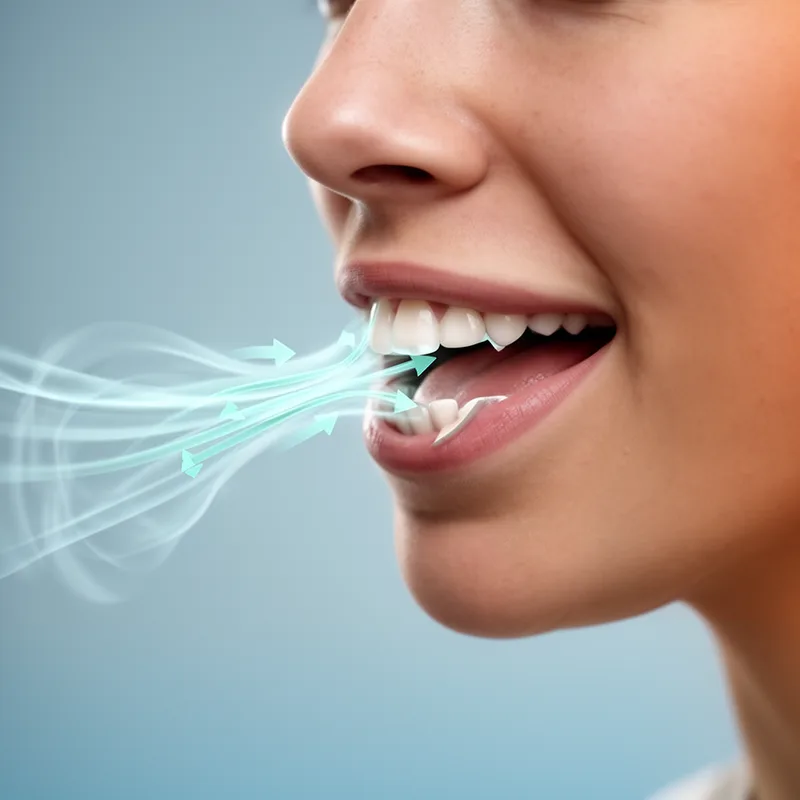
fricative


 1
8.0
1
8.0
- adjective
- /ˈfrɪkətɪv/
- Specialized
- The stimuli were fricative-vowel sequences excised from real productions of English-acquiring children.
- voiceless fricative
- fricative duration
- fricative sounds
Examples
-
Adults who reported more experience interacting with children modified their fricative durations more than those who reported less experience.
Academic text (2012) -
The literature is somewhat conflicting on whether fricative frequencies show systematic differences between adolescents and adults.
Academic text (2013) -
As such, it does not account for differences at fricative midpoint or end.
Academic text (2013) -
The smallest differences were found for the fricative m1 measures.
Academic text (2012) -
In the current data, about 10% of the productions had voicing persisting 30 ms or more into the fricative.
Academic text (2013) -
The first set of analyses used an ANOVA to examine fricative productions.
Academic text (2012) -
In general, the most variation among the L1s compared with English occurs within the fricative, affricate, and liquid manners of articulation.
Academic text (2014) -
We plan to apply these measures to fricative misarticulations to evaluate their efficacy in differentiating typical and atypical productions.
Academic text (2013) -
Overall, the largest values—indicating the strongest differences between conditions—were found for the fricative duration measures.
Academic text (2012) -
The sounds 's' and 'f' are examples of fricative speech sounds, as they are produced by forcing air through a narrow opening.
Synonyms
 1
7.2
1
7.2
A speech sound you make by forcing air through a narrow gap like s or f

Made by pushing air through a small opening in the mouth to make sounds like f or s

A sound made by forcing air through a narrow opening so the sound keeps going, for example s and f
Compounds

- Specialized
A speech sound you make by forcing breath through a narrow gap, like s or f
How Vowel-Like

Surface Forms
Morphology
fricative = friction (transparent) = fric + ative
The adjective is clearly formed from the notion of 'friction' with a standard adjectival suffix, so learners who know 'friction' can infer 'fricative'.
Etymology
The word fricative comes from the Latin root fric- meaning 'to rub', the same root you see in the English word friction. So a fricative sound is made by 'rubbing' air through a small gap, which is exactly how sounds like 's' or 'f' are produced.