

to fox
- verb
- /fɑks/
- Specialized
- Some antique books fox over time, developing brownish spots on their pages.
Examples
-
The old letters began to fox after years of being stored in the attic.
-
The pages of the old book were foxed and yellowed.
-
Humidity caused several documents in the archive to fox noticeably.
-
I found a foxed copy of the novel at the thrift store.
-
The old book began to fox due to the damp storage conditions.
-
The documents were left in the basement, and over time they started to fox.
-
If books are not stored properly, they can easily fox and become unusable.
Idioms



Compounds
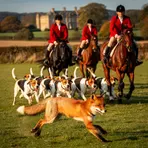

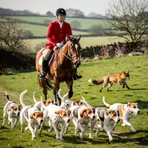

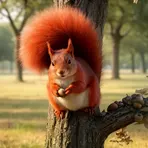

- US
 1
5.7
1
5.7
A medium-sized wild animal with gray fur that lives in North and Central America and can climb trees




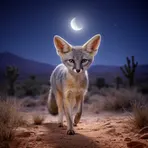
- US
 1
7.2
1
7.2
A small gray fox with large ears that lives in western North American deserts and is active at night

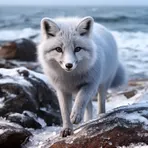
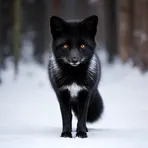
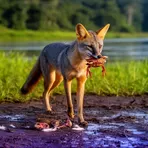
A wild animal like a small dog from northern South America that eats crabs and small animals

A nickname for the German general Erwin Rommel who led forces in North Africa during World War II

A large tree squirrel with a bushy tail and reddish gray fur that lives in the eastern United States

- Specialized
A wild grape native to eastern North America with dark purple fruit used for jams and juices


- Specialized
A large shark in warm seas with a long whiplike tail used to herd and stun small fish
- US
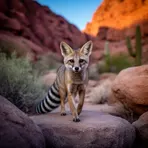
A small wild fox from Mexico and the US with a long bushy tail with black and white rings




How Discoloured

Surface Forms
Etymology
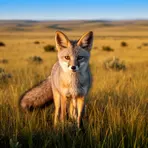
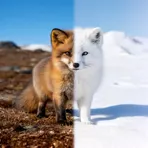
A helpful way to remember the paper meaning is this: when old books get brown spots people call that 'foxing' because the spots look a little like the brown color of fox fur. So to say paper has foxed it means it has turned with brownish spots, like the color of a fox's coat.