

eastern fox squirrel
- noun
- /ˈiːstərn fɑks ˈskwɪrəl/
- US
- The eastern fox squirrel often builds its nest high in the trees to stay safe from predators.
Examples
-
Unlike the gray squirrel, the eastern fox squirrel has a distinct reddish tint to its fur.
-
The eastern fox squirrel is often seen gathering acorns in suburban parks.
-
Researchers tracked the movements of several eastern fox squirrels in the deciduous forests of Ohio.
-
The eastern fox squirrel is common in many parks.
-
Have you seen an eastern fox squirrel before?
-
In the autumn, the eastern fox squirrel can be spotted collecting nuts and seeds to prepare for winter.
-
Many people enjoy watching the playful behavior of the eastern fox squirrel in their backyards.
Synonyms
 1
5.7
1
5.7

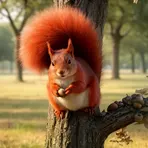
A large tree squirrel with a bushy tail and reddish fur

A large tree squirrel from eastern North America with a bushy tail

A large squirrel that lives in trees in eastern and central United States often called a fox squirrel
Surface Forms
Morphology
The phrase is a straightforward modifier+noun combination: 'eastern' (from the east) + 'fox' (descriptive, e.g. fox-like color/appearance) + 'squirrel' (the animal), so the overall meaning 'a squirrel species found in the east with fox-like features' is directly derivable from the parts. This follows normal compounding/modification patterns common across languages, so a B1 learner who knows each word will readily understand it.
Etymology
Eastern fox squirrel The name eastern fox squirrel comes from a simple image: people in the eastern United States saw a large squirrel with bushy, reddish fur that 'looked like a fox', so they called it a fox squirrel and added eastern to show it is 'from the east'. That's why the name means a big, reddish tree squirrel found in the eastern United States.