
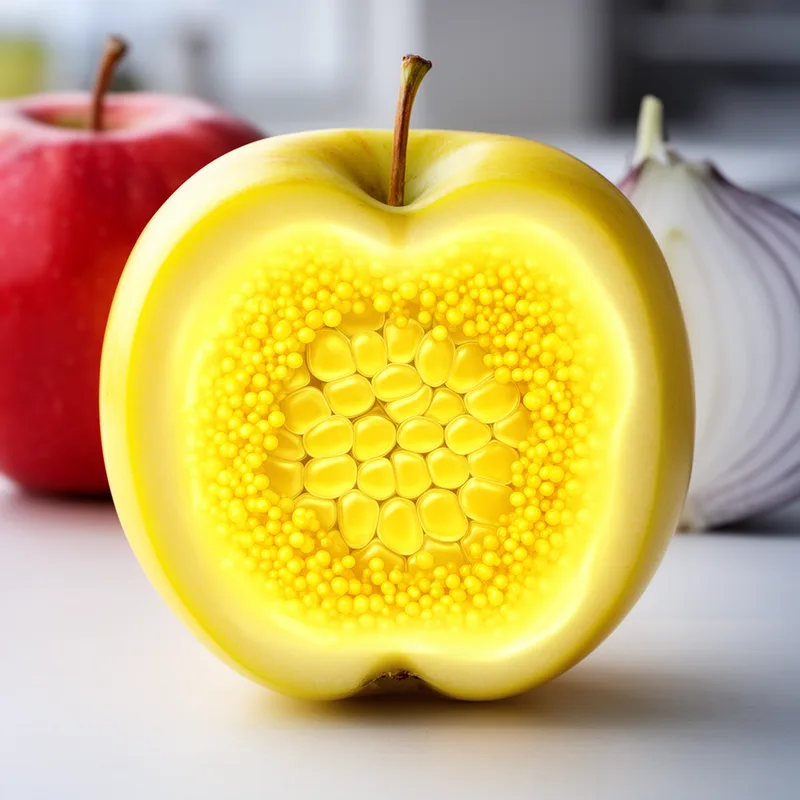
flavonol


 1
7.6
- noun
- /ˈfleɪvəˌnɒl/
- Specialized
- So when you eat this fruit, and I was taught to eat the white part, the pith, you're getting all of these flavonols and it's like jacking up your autophagy.
- flavonol (quercetin)
Examples
-
Many studies suggest that flavonols found in berries contribute to better cognitive function as we age.
-
Eating foods high in flavonols, such as apples and onions, may help reduce inflammation in the body.
-
First off, dark chocolate (the darker the better) generally contains more flavonols than milk chocolate.
Blog text (32) -
Chocolate contains potent antioxidants called flavonols that can boost heart health.
Blog text (32) -
Also, the way the cocoa beans are processed can influence the potency of the flavonols.
Blog text (32) -
Other research suggests that the chocolate flavonols ease inflammation and help prevent blood substances from becoming sticky, which lowers the risk of potential blood clots.
Blog text (32) -
Dark chocolate is rich in flavonols, which can improve heart health and lower blood pressure.
Synonyms
 2
7.5
A chemical in plants that can affect health
 2
7.3
A natural substance in plants that gives color and protects cells from damage
 1
6.7
A natural chemical in plants that helps protect cells from damage
 1
7.1
A plant substance in fruits and vegetables that is often yellow and may be good for health
 1
8.5
A chemical with many phenol groups that often protects cells from damage
Surface Forms
Morphology
flavonol = flavone (opaque) = flavon + ol
Formed by adding the chemical suffix '-ol' to the flavone/flavon combining form; the specific chemical meaning is specialist knowledge and not inferable by an average B1 learner.
Etymology
Flavonol begins with flav-, from Latin meaning 'yellow', and ends with -ol, a common chemical ending for alcohol parts of chemicals. So a flavonol is a yellow plant compound often found in fruits and vegetables, which explains why it can give pale or yellow colors and why scientists study it for its antioxidant effects.