

bioflavonoid


 1
7.1
1
7.1
- noun
- /ˌbaɪoʊˈflævəˌnɔɪd/
- Specialized
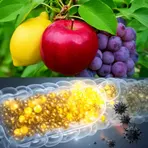
- Citrus fruits are known for their high levels of bioflavonoids, contributing to their vibrant colors and health benefits.
- bioflavonoids from rutin
- bioflavonoids found in citrus
- bioflavonoids and other antioxidants
Examples
-
Luteolin is another bioflavonoid that works as well as in one study allopurinol to block uric acid production.
-
Luteolin is another bioflavonoid that works as well as in one study allopurinol to block uric acid production.
-
Bioflavonoids and other proteins in the juice destroy the ability of cold and flu viruses to infect a cell.
Blog text (28) -
...conditional bioflavonoid neuropathology.
-
Now, blueberries are packed with an antioxidant known as bioflavonoids or flavonoids.
-
Lemons, limes fantastic because they're loaded with vitamin C, bioflavonoids, lots of different electrolytes in them.
-
Your discovery of the white cellular clotting predominance in neurasthenia... completely altered my understanding of... conditional bioflavonoid neuropathology.
-
Moreover, fresh (and let’s include organic) fruits and veggies contain countless other ingredients, including antioxidants and bioflavonoids (both of which help fight cancer and give a boost to the immune system).
Blog text (8) -
Blueberries are a rich source of bioflavonoids, which can help boost the immune system.
-
Many dietary supplements contain bioflavonoids that may support cardiovascular health.
Synonyms
 2
7.3
2
7.3
A natural substance in plants that gives color and protects cells from damage

Vitamins that help keep cell and blood vessel walls strong
Surface Forms
Morphology
bioflavonoid = flavonoid (opaque) = bio + flavon + oid
The word is built with the recognizable prefix bio- plus the technical base flavonoid, but the combined meaning is not predictable for an average learner.
Etymology
Bioflavonoid breaks into bio- meaning 'life', as in biology, and flav- from Latin flavus meaning 'yellow'. So a bioflavonoid is a plant 'life-yellow' compound that often appears as yellow pigments in fruits and vegetables and helps explain their role in plant and human health.