
flavone
- noun
- /ˈfleɪvoʊn/
- Specialized
- The flavone extracted from the plant has many health benefits.
- flavone as quercetin
- flavone (rutin
Examples
-
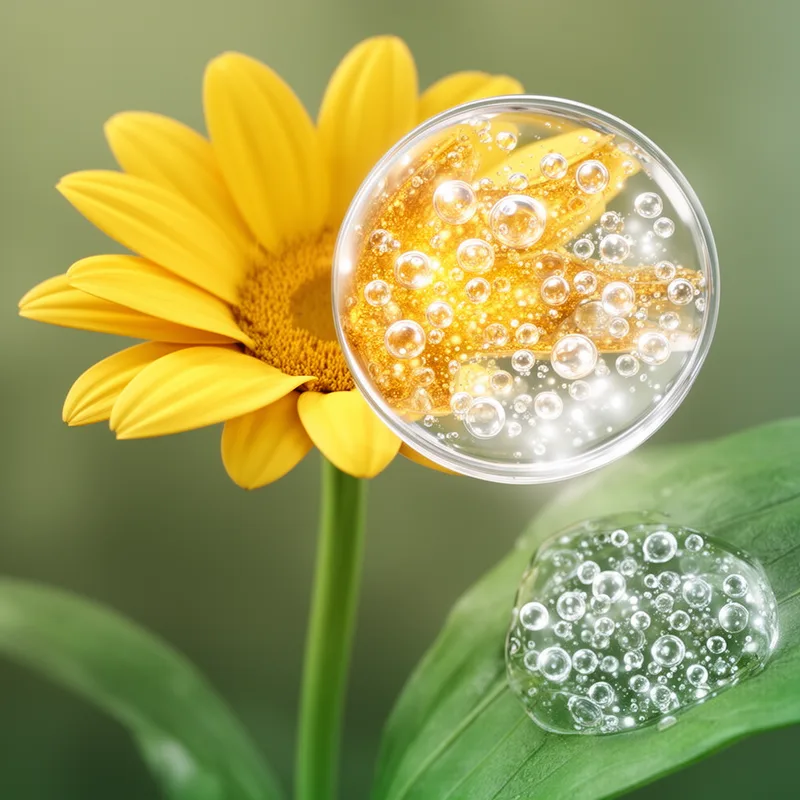
Many yellow flowers contain flavone as a key pigment component.
-
Many fruits contain flavones that contribute to their color.
-
Researchers isolated flavone from the leaves to study its antioxidant properties.
-
The structure of flavone provides a basis for understanding related plant compounds.
-
Many fruits, such as apples and grapes, contain flavone compounds that contribute to their vibrant colors.
-
Research shows that various flavone extracts can help protect plants from environmental stress.
-
Some herbal supplements are made from flavone extracts known for their potential health benefits.
Surface Forms
Morphology
flavone = flav (opaque) = flav + one
The element 'flav-' is a specialized combining form (relating to 'yellow') and '-one' is a technical chemical suffix; together they form a technical compound name not transparently derived for general learners.
Etymology
Flavone comes from the Latin flavus, meaning 'yellow', plus the chemical ending -one. So flavone is a plant compound tied to many pigments, and the name helps you remember its link to yellow plant colour.

