
fixing agent
- noun
- /ˈfɪksɪŋ ˈeɪdʒənt/
- Specialized
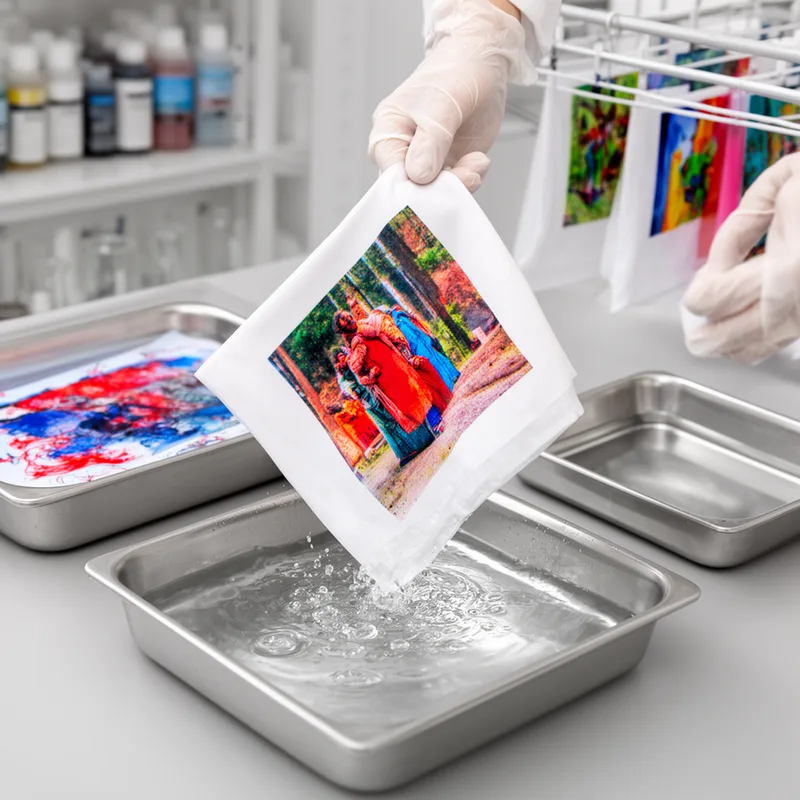
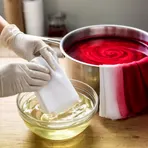
- In textile manufacturing, a fixing agent is applied to secure the dyes in the fabric, making them wash-resistant.
Examples
-
A water-based fixing agent, it evaporates, leaving behind a flawless complexion.
Blog text (2) -
- It takes chemical baths, fixing agents...
-
The artist used a special fixing agent to ensure the colors of the painting would not fade over time.
-
To create vibrant photographs, photographers often apply a fixing agent that stabilizes the image.
Synonyms
 5
4.8
5
4.8

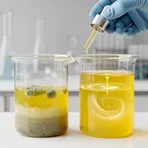
A chemical added to a mixture to stop it changing or going bad
 1
7.4
1
7.4
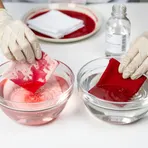
A chemical that stops dye or photographs from losing colour
 1
8.4
1
8.4
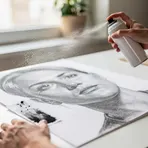
A chemical that protects drawings or other artwork from smearing

 1
9.9
1
9.9
A substance used on cloth or leather before dyeing to fix color

A thing used to make two surfaces stick together, like glue or tape
How Permanent

Surface Forms
Morphology
The meaning is compositionally built from 'fixing' (making something stable or permanent) + 'agent' (a substance or thing that causes an effect), so 'a substance that makes something permanent or stabilizes' is directly derivable from the parts. This compound follows common noun-noun/gerund + agent patterns found across languages, so a B1 learner who knows the constituents should be able to infer the meaning.
Etymology
The term fixing agent comes from the idea of fixing, meaning to make something stay in place, and an agent, a helper that does the job. So a fixing agent is like a helper substance that 'locks' color or an image so it does not wash away or fade, which is why it means a material used to make things 'permanent'.