
epiphysis
9.9
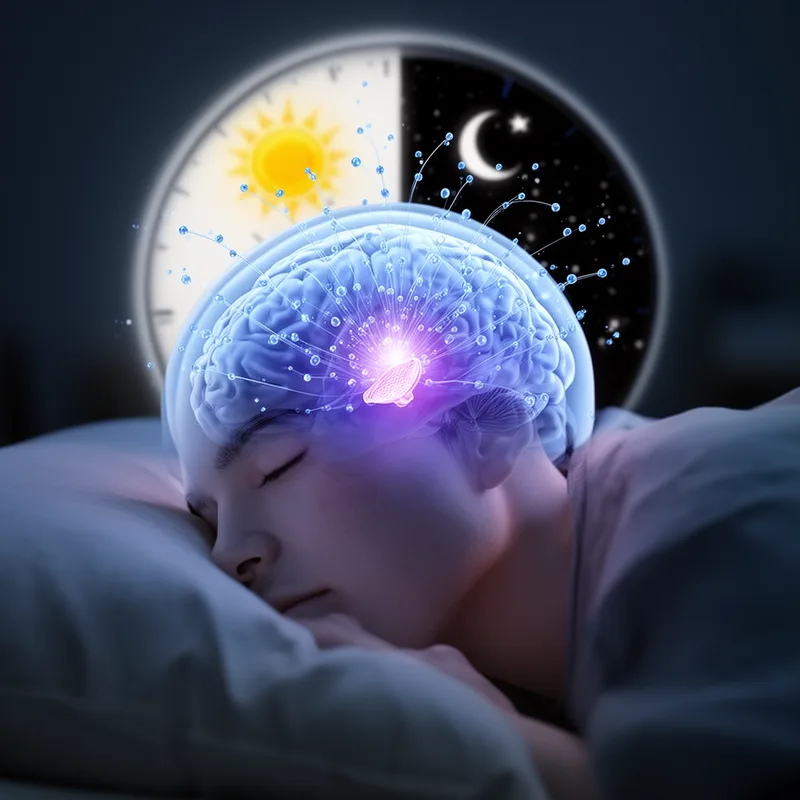
A small gland in the brain that makes melatonin to control sleep
- noun
- /ˌɛpɪˈfaɪsɪs/
- Specialized
:
epífisis
- Scientists study the epiphysis to understand its role in human biology.
Examples
-
The epiphysis produces melatonin, which helps regulate sleep cycles.
-
It also refers to the specific location of the epiphysis (pineal) gland.
Academic text (2015) -
Melatonin is secreted by the epiphysis in response to darkness.
Synonyms

 5
5.6
5
5.6

A small pea-shaped part of the brain that makes melatonin to help control sleep
gives the exact position beneath the rear corpus callosum


 1
8.2
1
8.2
A small gland in the brain that makes melatonin and helps control sleep and daily body rhythms
focuses on melatonin secretion rather than rhythm regulation

9.9
A small gland deep in the brain that makes melatonin
is the same in meaning but uses an alternate scientific name
Compounds
Surface Forms
Morphology
Etymology
The word epiphysis comes from the Greek parts epi- 'on' and physis 'growth', meaning 'a growth upon' something. So the small gland on the brain was called an epiphysis because it looks like a little outgrowth on the brain, and that name is now used for the pineal gland.