
epimorphic
- adjective
- /ˌɛpɪˈmɔrfɪk/
- Specialized
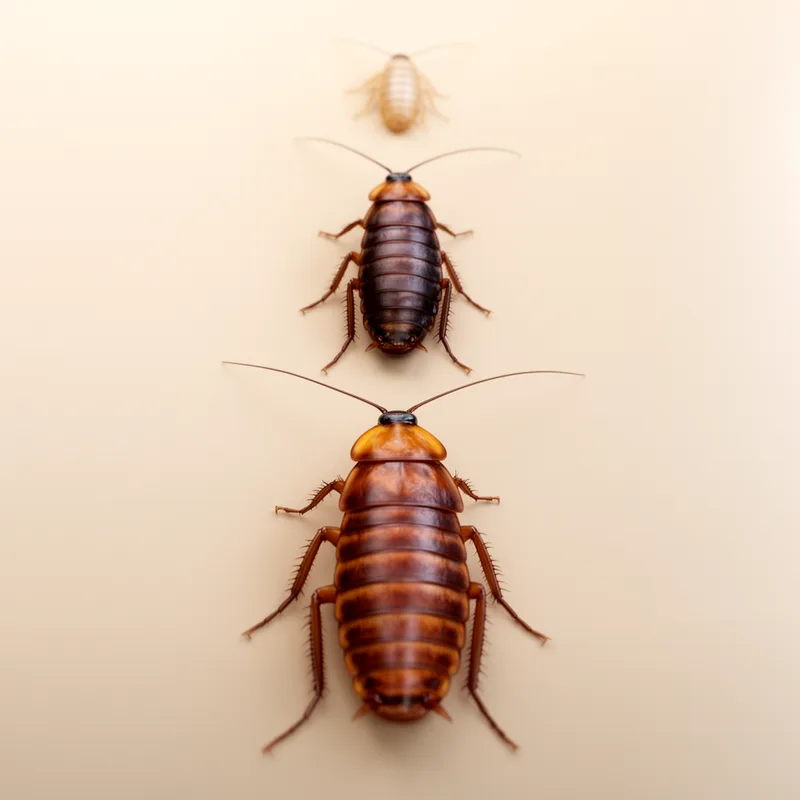
- The life cycle of the cockroach is epimorphic, as it hatches with the full number of body segments.
Examples
-
Unlike holometabolous insects, epimorphic species do not add new segments as they mature.
-
Many wingless insects are described as epimorphic because their body segments do not change during development.
-
This insect is epimorphic.
-
Look, it's epimorphic!
-
Many wingless insects are described as epimorphic because their body segments do not change during development.
-
The life cycle of the cockroach is epimorphic, as it hatches with the full number of body segments.
-
Unlike holometabolous insects, epimorphic species do not add new segments as they mature.
Synonyms
Insects whose young look like small adults and that skip the pupa stage
Surface Forms
Morphology
Etymology
Epimorphic comes from the Greek parts epi- 'on' and morph 'form', the same root in metamorphosis. Think of an insect that keeps the same basic form 'on' it as it grows and does not add new body segments, so epimorphic means the body form stays the same through development.

