

epilithic
- adjective
- /ˌɛpɪˈlɪθɪk/
- Specialized
- Several species of epilithic algae thrive in the rocky streams of the region.
Examples
-
These epilithic lichens depend on mineral surfaces for their growth.
-
The biologist collected epilithic mosses from the exposed boulders.
-
The epilithic algae thrive in the harsh conditions of the rocky shore.
-
Many epilithic species can be found in the intertidal zone.
-
The epilithic mosses thrive on the rocky surfaces of the ancient castle.
-
Many epilithic organisms, such as certain lichens, can survive in harsh, exposed environments.
-
Scientists studied the epilithic layer of algae on the coastal rocks during their research.
Synonyms
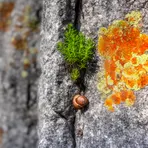
Growing or living on rocks

Growing on or living among rocks
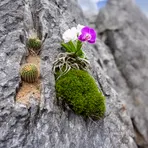
Plants that grow on rocks, for example moss or orchids
How Inside
- Specialized

- Specialized
Surface Forms
Morphology
Etymology
The word epilithic comes from the Greek parts epi- meaning 'on' and lithos meaning 'stone', the same 'lith' you find in monolith ('one big stone'). So, epilithic describes plants and other living things that grow 'on' the surface of rock.

