

epigenetic
- adjective
- /ˌɛpɪdʒəˈnɛtɪk/
- Specialized
- Geologists distinguish between syngenetic and epigenetic mineral formations when studying ore deposits.
Examples
-
The epigenetic gold veins were deposited long after the host rock solidified.
-
The presence of epigenetic minerals can reveal important information about a region's geological history.
-
The epigenetic processes in geology can reveal much about the Earth's history.
-
Scientists study epigenetic changes in mineral deposits.
-
Geologists distinguish between syngenetic and epigenetic mineral formations when studying ore deposits.
-
The epigenetic gold veins were deposited long after the host rock solidified.
-
The presence of epigenetic minerals can reveal important information about a region's geological history.
Synonyms
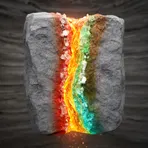
A rock that changes when hot mineral fluids pass through it

Made at the earth's surface by wind and water
Surface Forms
Morphology
epigenetic = genetic (semi-transparent) = epi + genet + ic
Morphologically composed of 'epi-' + 'genet' + '-ic', but the geological meaning ('formed after the surrounding rock') is technical and the sense of 'epi-' as 'after/upon' is not widely known to general learners.
Etymology
Epigenetic comes from the parts epi- 'after' and -genetic 'origin' or 'birth'. So in geology, epigenetic describes a mineral or vein that formed 'after' the host rock was already made.

