
epigene
9.9
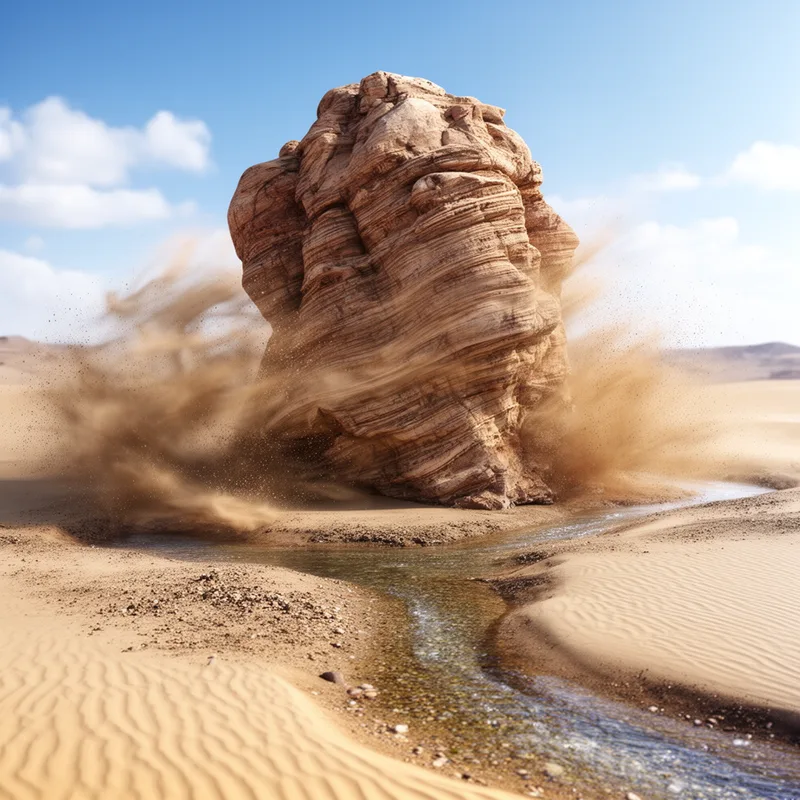
Made at the earth's surface by wind and water
- adjective
- /ˈɛpɪˌdʒiːn/
- Specialized
:
epigénico
- Scientists study epigene processes to understand how landscapes evolve over time.
Examples
-
Many soil types are the result of epigene changes caused by weathering.
-
The epigene rocks were shaped by wind and water at the earth's surface.
-
The epigene layer is fascinating.
-
Look at the epigene features!
-
The epigene rocks were shaped by wind and water at the earth's surface.
-
Many soil types are the result of epigene changes caused by weathering.
-
Scientists study epigene processes to understand how landscapes evolve over time.
Synonyms
8.8
Made in rock after the rock formed
forms at or near the surface because of external processes
Surface Forms
epigene positive
Morphology
Etymology
The word epigene has the parts epi- 'on' or 'upon' and gene 'born' or 'made', so imagine something 'born on the surface' of the earth; that is why epigene describes rocks or changes formed at or near the ground by wind, water, or weathering.

