
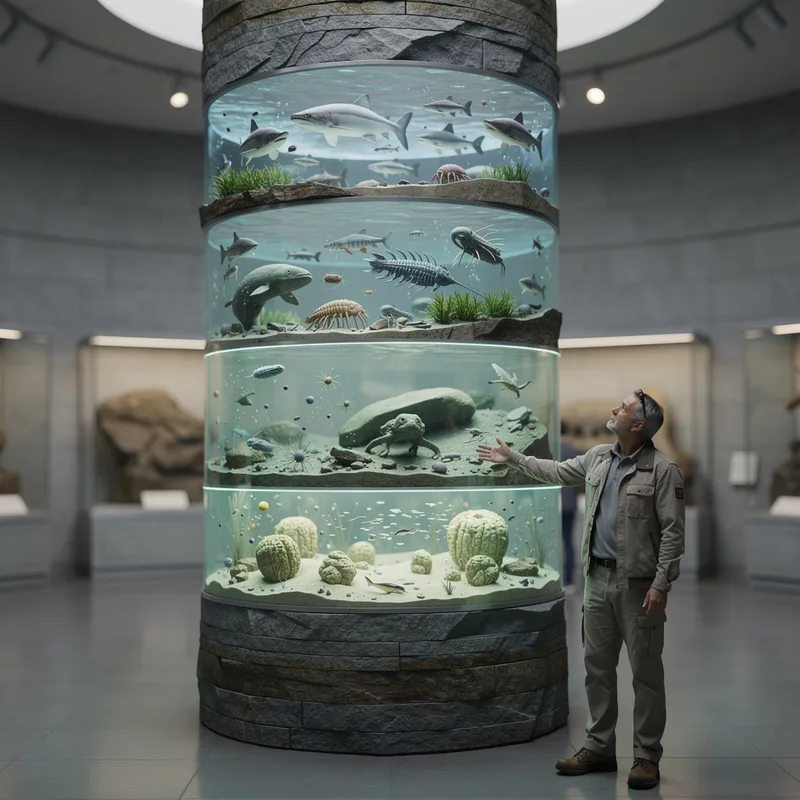
eon
 1
8.2
1
8.2

- noun
- /ˈiːɒn/
- Specialized
- Over the eons, countless species have flourished... ...then perished.
- Archean eon
Examples
-
Earth's oldest rocks, which are found in northern Canada and in the southwestern part of Greenland, date back nearly four billion years to the early Archean eon.
Academic text (2006) -
The northern Australian terrain, created by Ancestor Beings eons ago during what the Aboriginal people know as the Dreamtime, is so rugged that many sites remain unknown to outsiders.
Academic text (2002) -
But Earth was one continent an eon ago.
Fiction book (1999) -
In fact, we know that there have been significant variations in climate over the eons.
Blog text (30) -
The fossil record suggests that over the eons, various creatures have existed that today are not present.
Blog text (16) -
Eon by eon, the seas grew saltier and then stabilized.
Fiction book (1990) -
Geologists study rock formations to understand how the Earth has changed over eons.
-
The climate has fluctuated greatly over the eons, impacting the evolution of life on our planet.
-
The eon during which dinosaurs roamed Earth lasted millions of years and is crucial for understanding prehistoric life.
Compounds

- Specialized
A time about 3.8 to 2.5 billion years ago when the Earth's crust formed and single-celled life began

- Specialized
A very early time on Earth when the first rocks formed and only one-celled life existed
- Specialized
The first time after Earth formed, about 4.6 to 4 billion years ago, before rocks or life
- Specialized
A very early time on Earth from its formation until about 3,800 million years ago with no signs of life

- Specialized
A very long period in Earth's history from about 2,500 to 544 million years ago when simple life appeared

- Specialized
A time in Earth's history from about 540 million years ago to now when many kinds of life appear
- Specialized
A long period in Earth's history from about 3,800 million to 544 million years ago
How Long

Surface Forms
Etymology
Eon comes from the Greek word aiōn, which means 'age' or 'life'. So when geologists use eon they mean the largest 'age' in Earth's history.