
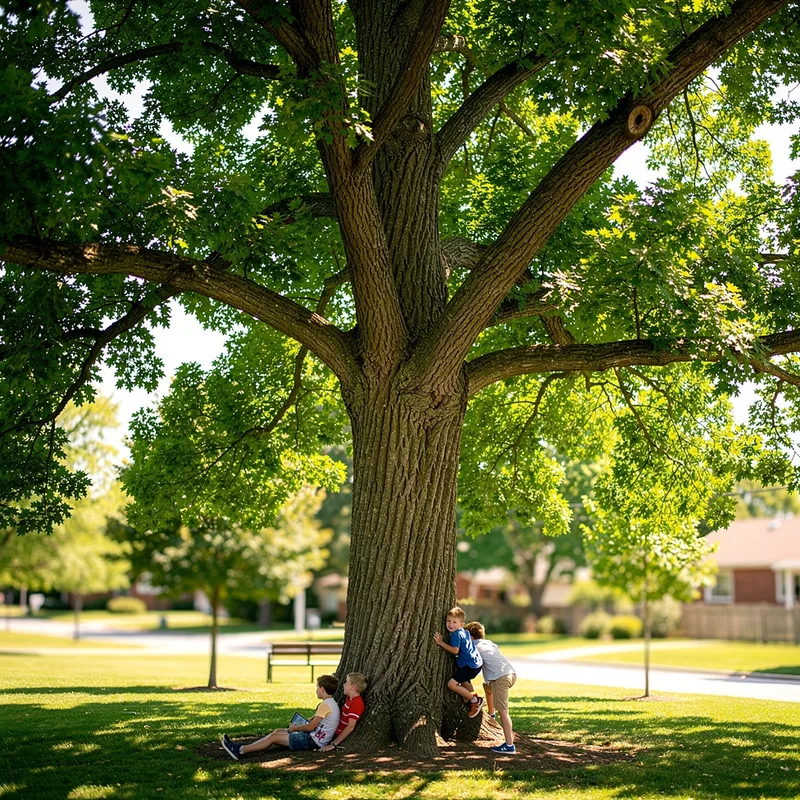
elm tree
 3
2.1
3
2.1

- noun
- /ɛlm tri/
- I watched David through the bare branches of the elm tree.
- a big elm tree
- an old elm tree
- huge elm trees
Examples
-
Our camp was shaded by some of the largest elm trees on earth—up to eleven feet in diameter.
Academic text (1995) -
We planted that elm tree in the backyard.
-
The buds on the elm tree outside the living room windows were opening.
Fiction book (1999) -
Next to the house, the bare elm trees blew and tossed in the wind.
Fiction book (1998) -
The great frame houses were hushed and clean; the boulevard was lined with elm trees.
Fiction book (1990) -
I have watched squirrels peeking out of hollows in the trunk of an elm tree across from my window.
Fiction book (2001) -
In our backyard, we have a majestic elm tree that provides plenty of shade during the summer.
-
The park is filled with beautiful elm trees that change color in the autumn, creating a picturesque scene.
-
He often sits under the large elm tree in the garden to read and enjoy the cool breeze.
Synonyms
 16
1.6
16
1.6
A large tree with broad leaves that gives shade
 1
4.1
1
4.1
A fast-growing tree from Asia with small leaves often planted for shade or as a garden tree


 1
4.6
1
4.6
A large shade tree from eastern North America with wide, arching branches
A large tree from eastern North America with very strong wood and a graceful shape
A North American elm tree with rough, reddish young leaves and hard wood

A North American elm tree with red leaves or bark and hard, strong wood

A North American tree with rough leaves whose inner bark is used in medicine

A large tree that loses its leaves with wide graceful branches often planted in parks for shade
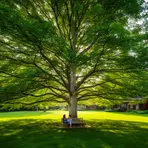
A large tree from eastern North America with wide branches that give good shade
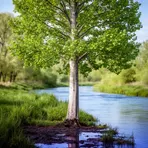
An elm tree from Europe and Asia that grows near rivers and in wet soil

A large elm tree often planted in parks and gardens for shade

A large tree from Europe and Asia with broad leaves often grown for shade
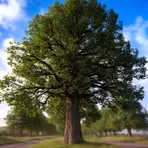
A large European elm tree with wide branches and rough leaves

A tall, broad tree with many leaves often planted in parks in Europe

A European tree with shiny leaves that people plant for decoration

A broad, spreading tree with rough leaves that grows naturally in Europe and is often planted in parks

A European elm tree with shiny smooth leaves often grown for parks and gardens

A European tree with shiny smooth leaves often planted for decoration

A hybrid European elm tree grown to give shade and look nice
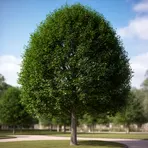
A tall hybrid elm tree grown for its attractive shape and leaves

A tree from two kinds of elm grown for shade in parks and gardens
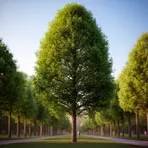
A tall elm tree grown for its pretty shape and leaves

A tree with upright branches and broader leaves than other elms

A type of elm tree with upright branches and broad leaves grown in gardens
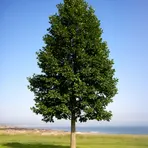
A type of English elm tree with upright branches and broader leaves
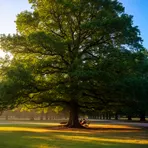
A European elm tree with wide branches used for shade

An elm tree that grows in the southeastern United States and flowers in autumn

A tall elm tree from eastern North America with strong wood used for furniture
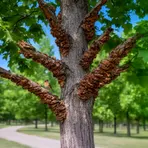
A North American tree with rough, thick bumps on its branches that look like wings

A North American tree with thick ridges on its small branches and new growth

A North American elm tree with small leaves and corky wings on its branches
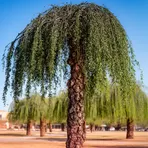
A type of elm from the southern United States and Mexico with drooping branches and rough ridges like cork

A medium-sized tree with rough corky bark and drooping branches

A small fast-growing tree from East Asia used for shade and hedges

A small, fast-growing bushy elm tree from Asia often planted for shade or decoration

A fast-growing Asian tree used for wind shelter and city planting
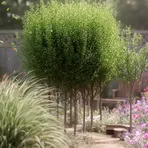
A small Asian tree with many branches and small leaves that grows quickly and makes a good windbreak in gardens
How Big

Surface Forms
Morphology
The meaning 'a tree of the genus Ulmus' is directly and transparently derived from combining 'elm' (a specific kind of tree) with 'tree' (a tall perennial plant); it is a straightforward noun + noun type-labeling compound. This compositional pattern is cross-linguistically common and follows regular English compounding, so a B1 learner who knows both constituents will readily understand the MWE.
Etymology
Elm tree gets its name from the old local word for this kind of tree; people long ago remembered the elm for its very strong wood and the tree for its wide branches that gave cool shade. That's why elm tree today means a tall, sturdy tree often planted for shade and strong wood.