

domesticated
- adjective
- /dəˈmɛstɪˌkeɪtɪd/
- Specialized
- A fun fact for you, carrots were actually domesticated in Afghanistan.
Loading YouTube…
Watch on YouTubeSo domesticated cats and feral cats are both cats.
- So domesticated cats and feral cats are both cats.
- That we can't hold them up to the same social standards that we hold up another type of domesticated animal?
- And the reason for that is that that those populations in Asia were among the first people to take domesticated rice crops and turn them into alcohol.
- I looked at four different domesticated plants, tulips, potatoes, cannabis and apples.
- Like the ox that you proposed might be, at least historically, one of the most useful domesticated animals.
- Although, although rice wines all start with a cultured mold using an Aspergillus species that has been mostly domesticated.
- Now I'm like a domesticated house cat are used to dogs.
- Also you have things like wild and domesticated, wild or sorry, wild versus domesticated.
- So in that, in that movie, it's with the dogs and with you it's the other domesticated the the reindeer.
- So it's part wild animal and it's part like domesticated animal where you really can make concise, rigorous choices and technique.
Examples
-
And so I think maybe it's our diet because domesticated dogs eat what we feed them.
-
So how, how big are wild rabbits and how big do domesticated rabbits get?
-
So domesticated cats and feral cats are both cats.
-
These shrub like plants were first domesticated in Ethiopia and are now cultivated throughout Equatorial regions.
-
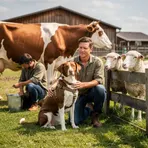
Domesticated animals, such as cows and sheep, provide food and companionship to humans.
-
Many people prefer adopting domesticated pets like dogs and cats for their friendly behavior.
-
Farmers raise domesticated plants to ensure a reliable source of food and materials.
Synonyms

 32
2.5
32
2.5

Animals and plants changed to live with people for food, work, or pets
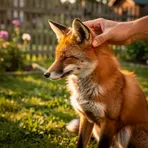 11
1.0
11
1.0
Not wild because people keep or breed it

Made less wild so people can control it
Antonyms

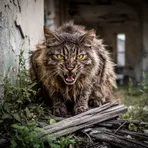
Compounds
- Specialized
2
1.1
An animal people keep and breed to live with them or help them

- Specialized
A creamy white Asian moth bred by people whose caterpillars make most silk
How Domesticated

Surface Forms
Morphology
domesticated = domesticate (transparent) = domestic + ate + ed
Formed by adding the verb-forming suffix '-ate' to 'domestic' to make 'domesticate', then the participial '-ed'; this derivation follows regular English morphology.
Etymology
Domesticated comes from the Latin root domus which means 'house', so it originally meant 'of the house'. That image helps remember the meaning: a domesticated animal is one made to live close to people and farms, not in the wild.