
tamed
- adjective
- /teɪmd/
- All of this might give the impression that Ottoman Greece was a thoroughly tamed land, which it certainly was not.
Examples
-
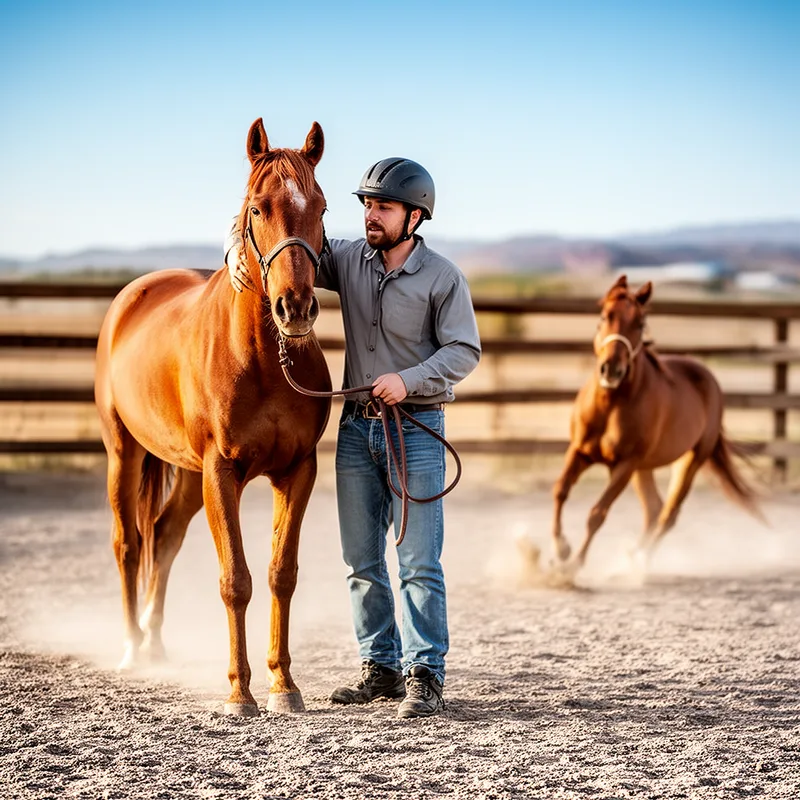
After years of training, the once wild horse became a tamed and gentle companion.
-
Like a wild horse, he must be caught, tamed, and domesticated.
-
The top end brightness is not as shrill as it was, especially on like that is a little more tamed it seems.
-
All of this might give the impression that Ottoman Greece was a thoroughly tamed land, which it certainly was not.
-
He did area after area and by by the by the time that he's off fighting in France, he's off fighting in France because England has been more or less tamed, right.
-
The dog was tamed early in its life, making it safe to be around children.
-
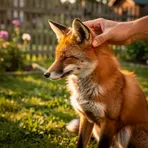
The tamed lion at the zoo showed no aggression towards its visitors.
Synonyms

 32
2.5
32
2.5

Animals and plants changed to live with people for food, work, or pets
 11
1.0
11
1.0
Not wild because people keep or breed it
 8
5.2
8
5.2
An animal trained to let people ride or touch it


 1
5.8
1
5.8
Tamed and trained to obey people

Kept or grown by people for food, work and company
Antonyms


How Tame

Surface Forms
Morphology
Etymology
The word tamed comes from the old English word tame, which meant 'made gentle' or 'quiet'. So, when something is tamed it has been made less wild and more 'controlled' or safe.