disparation

disparation

1 9.9
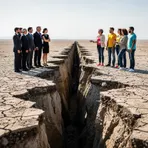
A difference between people, groups, or places
  • noun
  • /ˌdɪsˈpɛrˌeɪʃən/
: diferenciación
  • The report highlighted the disparation in access to healthcare across regions.

Examples

  • The disparation between urban and rural lifestyles is often striking.

  • Efforts to reduce disparation in educational opportunities are ongoing.

  • The disparation between the two cultures became clear during the festival.

  • The disparation between the two cultures is evident.

  • There is a noticeable disparation in their opinions.

  • There is a significant disparation in wealth distribution within the city.

  • The disparation of opinions among the committee members led to a long debate.

Synonyms

gap
vsdisparation
365 1.7

A difference between two groups or amounts

is wider, applying to any act or state of making things distinct
distinction
vsdisparation
261 3.5

A difference that shows how two things or people are not the same

adds the idea of actively making things separate as well
disparity
vsdisparation
76 6.7

A large unfair difference in people's chances or treatment
is neutral, covering any separation or difference without fairness focus
gulf
vsdisparation
21 4.7

A wide gap between people, groups, or ideas

is more general, applying to small and large separations alike
differentiation
vsdisparation
13 5.8

The act of noticing or showing differences between things

also covers the resulting state of things being separate
separation
vsdisparation
10 3.2

The act of putting things into different groups

includes that action but also the lasting state of being apart
divergence
vsdisparation
9 6.4

A difference between people or groups in ideas and goals

is broader, applying to planned separation or simple distinctness
separateness
vsdisparation
4 6.6

A situation where things are kept apart from others, for example work and personal life

includes that state but emphasizes the making or acting aspect
dissimilarity
vsdisparation
3 4.5

A state when two things or people are not alike

is about making things separate or showing they are different
contradistinction
vsdisparation
  • Formal
1 9.8

A difference shown by comparing one thing with another

is broader, meaning either the act of separating or the separated state
apartness
vsdisparation
1 6.7

A state of being separate from other people

is more general, covering any form of separation or difference
distinctness
vsdisparation
1 5.6

Being clearly different from others

is broader, covering both the visible quality and the separating act
differentness
vsdisparation
1 6.3

The fact that two things are not the same

includes that quality but also covers the act of separating
dissimilitude
vsdisparation
1 9.9

A clear difference between two or more things

focuses on the act or state of making things distinct
dividedness
vsdisparation
1 7.5

A situation where groups are split and do not work together

covers both unity loss and simple separation without social focus
disparateness
vsdisparation
9.2

A big difference between things that are not similar

can mean simple separation as well as extreme difference

Antonyms

220 2.8

People or parts joined and acting as one

23 4.8

The state of people or parts staying together and forming a whole

How Separate

segregation
  • Offensive
3 5.3
separation
220 2.6
disparation
1 9.9
to partition
10 4.0
division
50 2.9

Surface Forms

disparation singular
disparations plural

Morphology

disparation = disparate (semi-transparent) = dis + par + ation

Formed by adding the noun-forming suffix '-ation' to 'disparate', which yields a predictable nominal meaning though 'disparate' and the root 'par' may be unfamiliar to many learners.

Etymology

Disparation comes from the parts dis- meaning 'not' and par meaning 'equal', the same idea you see in disparity and disparate. So disparation is about making things different or not equal, which is why it means a state of separation or difference.