
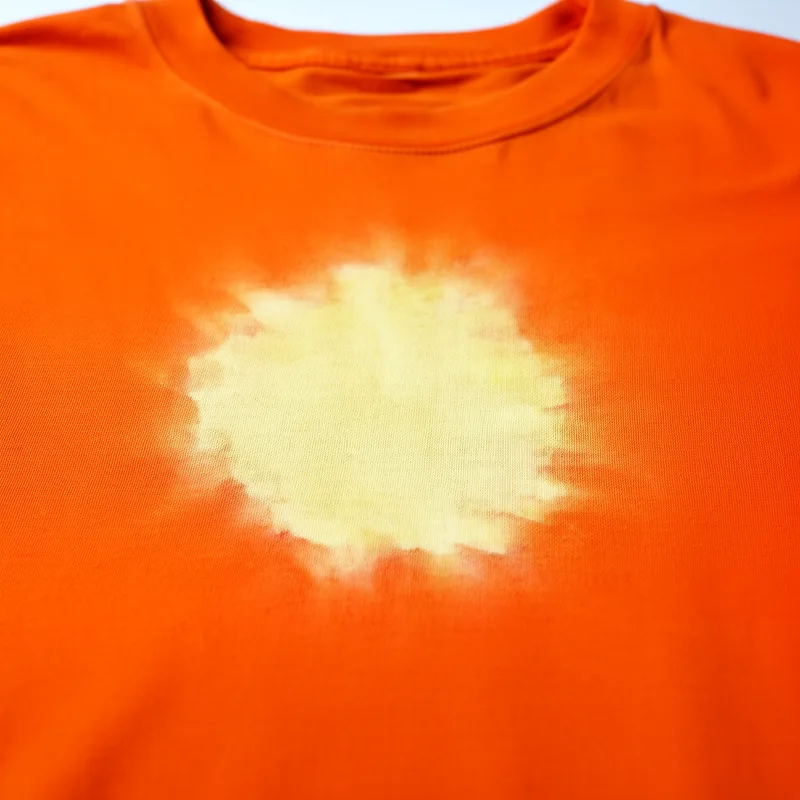
to discolor
 11
4.1
11
4.1

- verb
- /dɪsˈkʌlər/
- US
- Her white dress was discolored from the spilled juice at the party.
- discolored water
- become discolored
Loading YouTube…
Watch on YouTubeIt helps with dullness of the skin, helps the skin discolor, and it also helps with collagen production.
- It helps with dullness of the skin, helps the skin discolor, and it also helps with collagen production.
Examples
-
The chipped enamel pot I lifted from the sink had become discolored from iron or minerals in the water.
Fiction book (1997) -
Charlotte leaned close to examine the faint, slightly discolored lines where the new walls met the old.
Fiction book (1998) -
The metal is discolored, possibly from the generation of some terrific heat.
-
The tannins in the wood can discolor the paint layer.
-
Some of the hydrochloric acid ran into the mouth, discoloring the face.
-
The skin was unbroken, but was badly discolored.
-
Her teeth were faintly discolored, as if she'd had a quick bite of ashes.
Fiction book (2002) -
Around it, the flesh was discolored and swollen with vivid blotches of violet and blue.
Fiction book (1991) -
His remaining teeth were discolored or broken; his cheeks were bumpy with ingrown hairs.
Fiction book (1996) -
But, just as rapidly, those paintings began to deteriorate as objects, flaking, discoloring, and visibly altering over time.
Academic text (2015)
Synonyms
 60
4.9
60
4.9
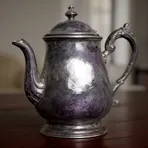
To make something like metal or a reputation lose its shine
 50
3.2
50
3.2
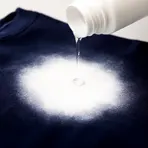
To make something lighter in color, often using chemicals or sunlight
 2
4.0
2
4.0
Make a color on clothes become lighter when you clean them
 1
7.1
1
7.1
To make the colors in a picture less bright so it looks more gray
 1
3.8
1
3.8
Make clothes and similar things much lighter in color, usually by sunlight or chemicals
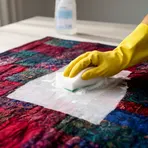
To make something lose its color or become lighter
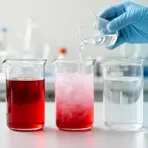
To make something lose its color or become lighter
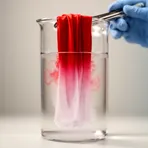
To take the color out of something like fabric or a photograph
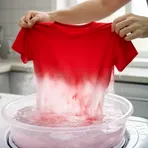
To make something lose its color
Antonyms



Compounds

- Specialized
A large prickly plant native to North America with purple-pink flower heads that bees and butterflies visit

- Specialized
A small North American willow with grey leaves and soft furry catkins that appear before the leaves
How Faded

Surface Forms
Morphology
Etymology
The word discolor combines the prefix dis- ('away') and color ('color'), so it is like saying the color goes away. That's why to discolor something means it loses or changes its color and looks faded or stained.