
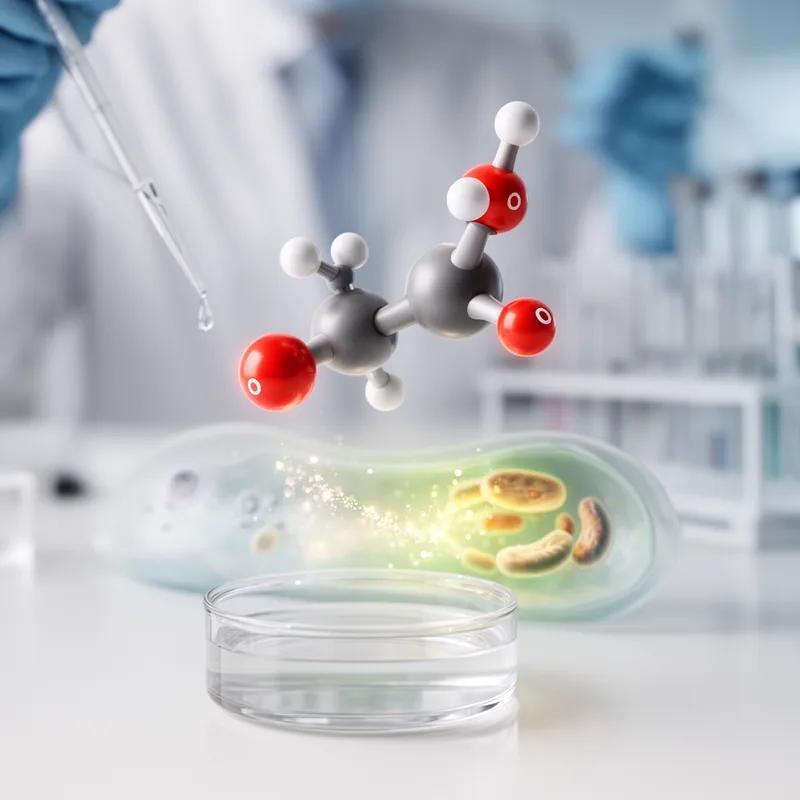
dihydroxyacetone


 1
9.9
- noun
- /ˌdaɪhɪˌdrɒksiˈæsɪtoʊn/
- Specialized
- In biochemical research, scientists often use dihydroxyacetone as a key component to study metabolic processes.
Examples
-
So here's our old friend dihydroxyacetone phosphate from glycolysis.
-
And so as we talked about before, here's our old friend dihydroxyacetone phosphate from glycolysis.
-
The presence of dihydroxyacetone indicates that the organism can perform certain metabolic functions.
-
As a simple sugar, dihydroxyacetone plays an important role in various biochemical pathways.
Synonyms
A simple sugar with three carbon atoms and a ketone on the middle carbon, for example dihydroxyacetone
Surface Forms
Morphology
dihydroxyacetone = hydroxyacetone (opaque) = di + hydroxy + acetone
The formation uses specialized chemical combining forms (di- and hydroxy-) that are not transparent to an average B1 learner without domain knowledge.
Etymology
Dihydroxyacetone breaks into di- 'two', hydroxy 'water group', and acetone 'a small chemical'. The name describes a small sugar with three carbon atoms and two 'hydroxy' groups, which is why it is called a simple three-carbon sugar used in cells and research.