
dihydroxyacetone


 1
9.9
- noun
- /ˌdaɪhɪˌdrɒksɪˈæsɪtoʊn/
- Specialized
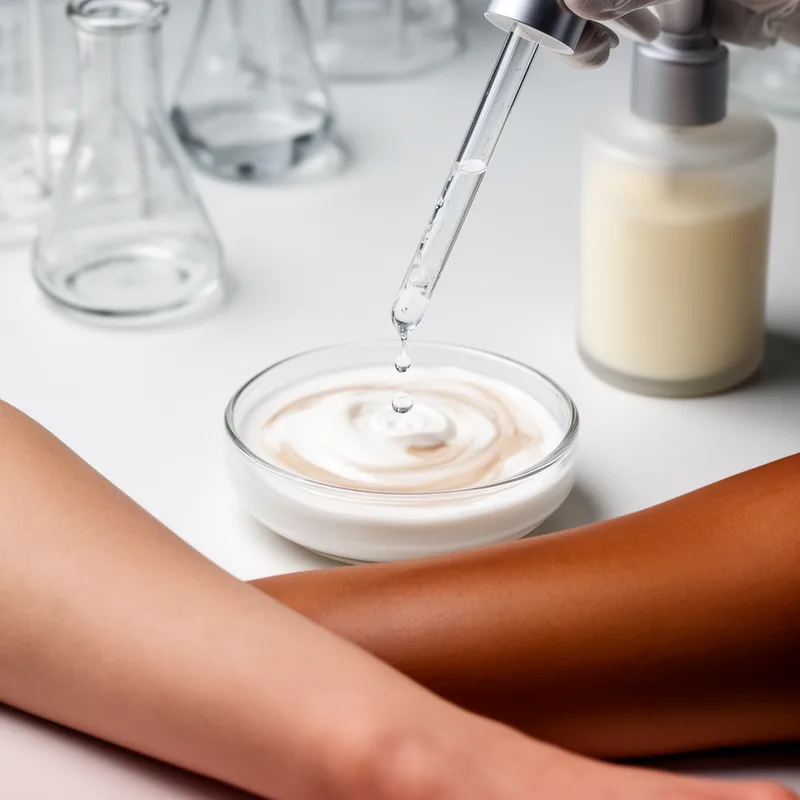
- The reaction of dihydroxyacetone with skin proteins creates a temporary brown color.
Examples
-
Scientists study dihydroxyacetone to improve the safety and effectiveness of cosmetic products.
-
Many self-tanning lotions contain dihydroxyacetone as the active ingredient.
-
Many self-tanners contain dihydroxyacetone.
-
The dihydroxyacetone in this lotion gives a natural glow.
-
The self-tanner contains dihydroxyacetone, which helps achieve a natural-looking tan.
-
Many cosmetics use dihydroxyacetone to create a sun-kissed appearance without sun exposure.
-
Products with dihydroxyacetone can provide a temporary tan that lasts several days.
Surface Forms
Morphology
dihydroxyacetone = hydroxyacetone (opaque) = di + hydroxy + acetone
The morphemes are technical chemical combining forms and are unlikely to be known to an average B1 learner, so the meaning is not inferable from the parts for general learners.
Etymology
Dihydroxyacetone breaks into di- 'two', hydroxy 'water group', and acetone 'a small chemical'. The two 'water' groups on the acetone help it react with the skin to make a temporary brown color, which is why it is used in self-tanning products.