
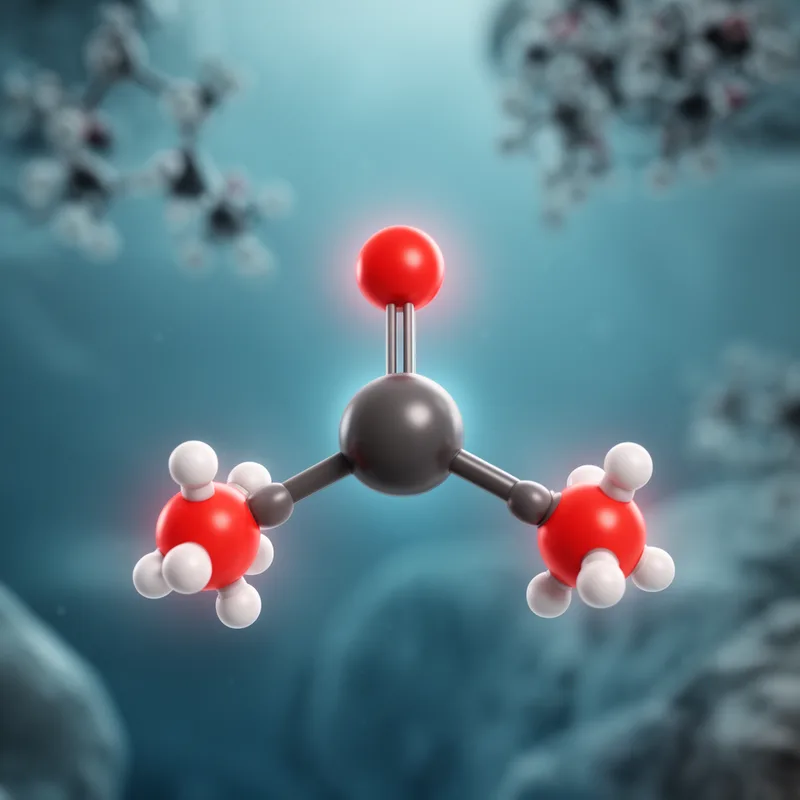
ketotriose
- noun
- /ˌkiːtoʊˈtraɪoʊs/
- Specialized
- Dihydroxyacetone is the only naturally occurring ketotriose found in biological systems.
Examples
-
The metabolism of the ketotriose dihydroxyacetone plays a key role in glycolysis.
-
Researchers analyzed the crystalline structure of the ketotriose to understand its properties.
-
A ketotriose is a simple sugar.
-
The ketotriose molecule is essential in biochemistry.
-
Dihydroxyacetone is the only naturally occurring ketotriose found in biological systems.
-
Researchers analyzed the crystalline structure of the ketotriose to understand its properties.
-
The metabolism of the ketotriose dihydroxyacetone plays a key role in glycolysis.
Synonyms
A simple sugar that has three carbon atoms in each molecule
A simple sugar that has a ketone group, for example fructose
Surface Forms
Morphology
Etymology
Ketotriose comes from parts you can recognise: keto- meaning 'ketone' and tri- plus -ose meaning 'three' and 'sugar', and you see -ose in common words like glucose and fructose. So a ketotriose is a sugar with three carbon atoms that has a ketone group, as in dihydroxyacetone.

