
diagenesis
- noun
- /ˌdaɪəˈdʒɛnɪsɪs/
- Specialized
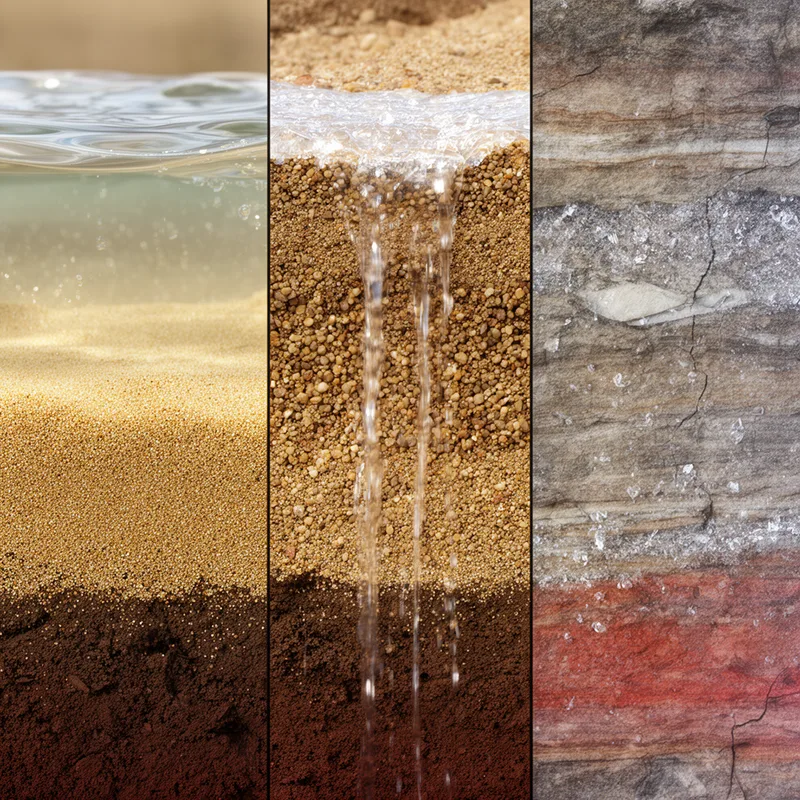
- The process of diagenesis transforms loose sediment into solid rock over time as the materials are compacted and chemically altered.
Examples
-
Doug, diagenesis in a rapidly deposited carbonate sequence like that in the Cryogenian would likely occur reasonably quickly simply due to burial depth increasing quickly.
Blog text (16) -
The "biological seeding" of the lake from the ice has important ecological ramifications for the lake water column and benthos in terms of the introduction of species, nutrient enrichment, and sediment accumulation and diagenesis.
Academic text (1999) -
During diagenesis, sediments undergo various physical and chemical changes that lead to the formation of sedimentary rocks.
-
Understanding diagenesis is essential for geologists as it explains how sedimentary rocks develop from deposited materials.
Synonyms

The change that turns loose sand or mud into hard rock
How Intense
- Specialized

- Specialized
- Specialized
- Specialized
 2
3.6
2
3.6

Surface Forms
Morphology
Etymology
The word diagenesis comes from Greek parts dia- ('through') and -genesis ('birth' or 'origin'), the same root as genesis and generate. So, diagenesis means the changes that happen 'through' time as loose sediment is 'born' into hard rock.