

depopulated
- adjective
- /ˌdiːˈpɒpjʊleɪtɪd/
- After the war, the town was left depopulated, with only a few families remaining.
Loading YouTube…
Watch on YouTubeAgain, many lived in settled villages that would become in a short, an astonishing short time, depopulated by disease.
- Again, many lived in settled villages that would become in a short, an astonishing short time, depopulated by disease.
Examples
-
Again, many lived in settled villages that would become in a short, an astonishing short time, depopulated by disease.
-
You will find as you read the book that the characters move through areas that are really depopulated and this reflects this this demographic reality.
-
The once bustling city had become depopulated due to the outbreak of a deadly disease.
-
Following the natural disaster, the area was tragically depopulated and abandoned.
Synonyms

 29
6.8
29
6.8

Empty and bleak with little life or shelter
 20
4.0
20
4.0
A place with no people living there
 4
4.8
4
4.8
No people live there
 2
2.8
2
2.8
Left empty and not used, often by people who lived there
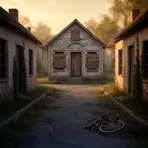 1
3.0
1
3.0
A place that people no longer live in or use
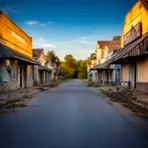 1
8.0
1
8.0
A place that has no people living there
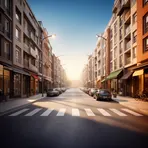
A place with no people in it
Antonyms

How Populated

Surface Forms
Morphology
depopulated = depopulate (transparent) = de + populate + ed
This is a standard participial/adjectival use of '-ed' from the verb 'depopulate'.
Etymology
Depopulated starts with de-, meaning 'remove', and the rest comes from populate (as in population), which is about 'people'. So a depopulated place has lost its people or had them removed and is left nearly empty.