
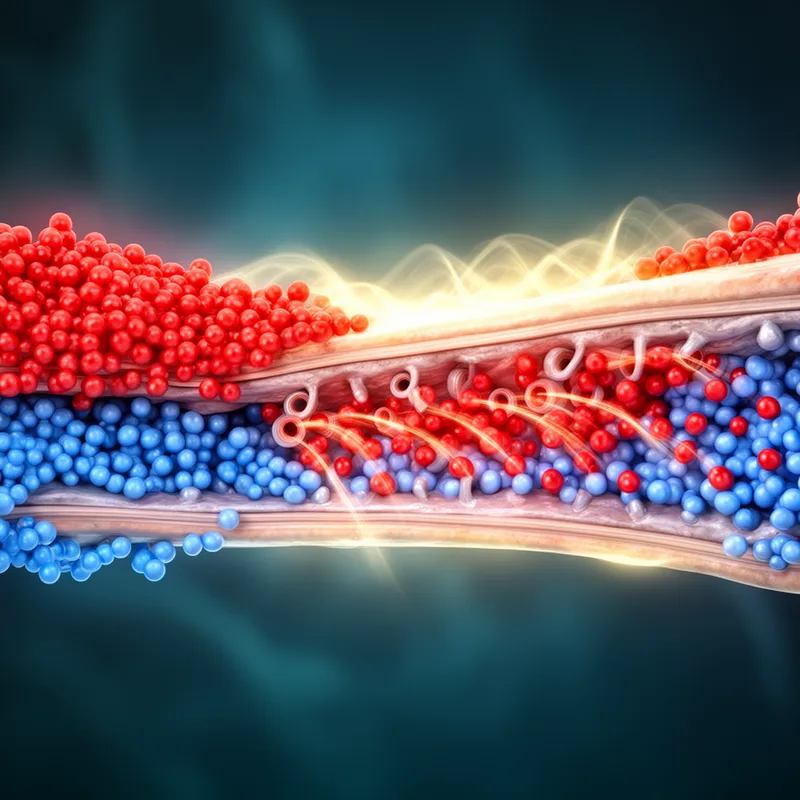
depolarization
 1
8.1
1
8.1

- noun
- /ˌdiːˌpoʊlərɪˈzeɪʃən/
- Specialized
- The P-wave corresponds to the electrical activation of atrial depolarization.
Loading YouTube…
Watch on YouTubeBill, David, I was struck by the plasticity result you showed that you can in essence create a new super threshold place cell by a single depolarization.
- Bill, David, I was struck by the plasticity result you showed that you can in essence create a new super threshold place cell by a single depolarization.
Examples
-
In common with other muscles, cardiac muscle contracts in response to electrical changes known as depolarization, which are then detected by the electrodes attached to the body.
Academic text (2012) -
The simplest example is non-linear summation of depolarization caused by coincident synaptic inputs (Canepari et al., 2007; Costanzo et al., 1999; Wolf et al., 1998).
Academic text (2017) -
Most of them are in fact silent cells, which in this case show no ramp of depolarization, no firing anywhere.
-
I'm monitoring the depolarization... of cardiac myocytes.
-
Their endings respond to the depolarization created in the receptor cells, which are these hair cells.
-
Both result in local hyperkalemia, neuronal depolarization, and intense pain.
Academic text (2015) -
The QRS complex shows the ventricular depolarization, which causes a contraction of the ventricles.
Academic text (2017) -
Such phenomena would contribute to an increased incidence of early after depolarization, a powerful substrate to precipitate cardiac arrhythmias.
Academic text (2016) -
For example, a transient NMDAR-dependent calcium elevation may cause more lasting changes in the composition of the membrane receptors, resulting in stronger depolarization following the same level of neurotransmitter.
Academic text (2017) -
Cardiac depolarization is essential for the heart to beat effectively and maintain proper circulation.
Antonyms
How Polarized
- Specialized

- Specialized
- Specialized
1
8.1
Surface Forms
Morphology
depolarization = depolarize (semi-transparent) = de + polar + ize + ation
This is a standard process noun formed directly from the verb 'depolarize'.
Etymology
Depolarization comes from de- meaning 'remove' and polar meaning 'pole' or 'opposite ends', like the two ends of a battery. In cells it describes when the usual 'difference in electric charge' across the membrane is reduced or reversed, so the cell loses its polarity.