
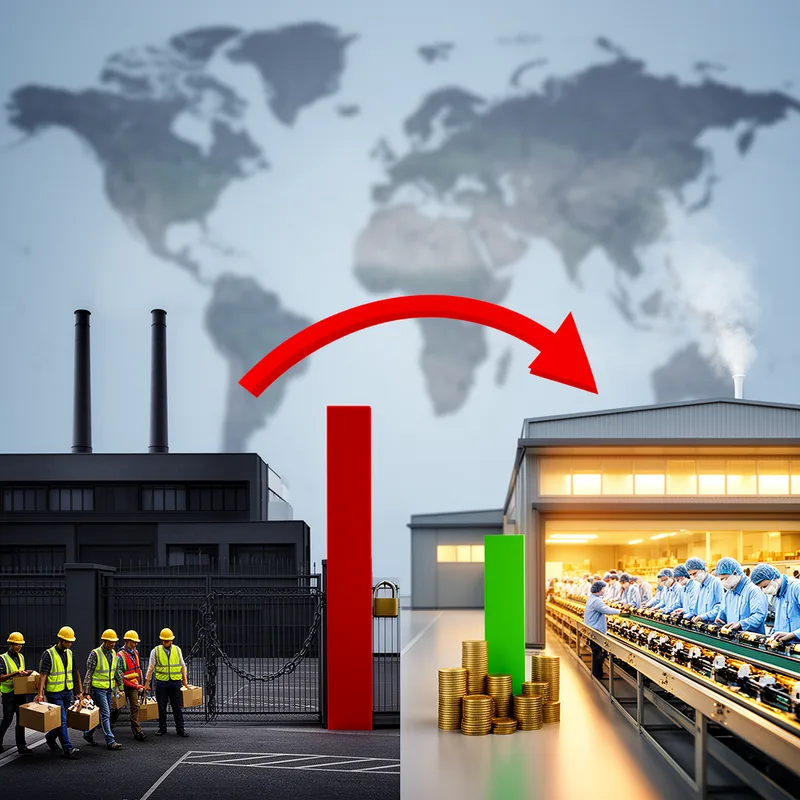
delocalization
- noun
- /ˌdiːloʊkəlaɪˈzeɪʃən/
- Specialized
 :
deslocalización
:
deslocalización
- The apostles of modernization, like Adam Smith, have traditionally applauded the benefits of delocalization, arguing that it is worth losing your roots to gain running water.
Examples
-
Many companies pursue delocalization to improve profits by eliminating high labor costs in their home countries.
-
The delocalization of tech jobs has led to cheaper services but also concerns about local employment.
-
The expansion of services and industry contributed to the delocalization of food production and distribution, which would allow for an increase in the variety and quantity of food available to the rural populations.
Academic text (1992) -
Changing tastes and technology also create dependency on external markets, a process called "delocalization" (Langdon 1986; Pelto 1978).
Academic text (1992) -
Delocalization can result in job loss for workers in the original region, sparking debates on economic policy.
Synonyms

 5
4.6
5
4.6

Moving a company's jobs to another country to save money or avoid rules


 1
2.4
1
2.4
A move of something from one place to another

Moving something from one place to another, for example a machine
Antonyms

- Specialized
3
4.1
Changing a product so it fits the language and ways of people in a country
How Local

Surface Forms
Morphology
delocalization = delocalize (semi-transparent) = de + local + ize + ation
This is a regular noun formation from the verb 'delocalize', naming the process or result of that action.
Etymology
Delocalization comes from de- 'away' and local 'place', the same root as location, so it literally means moving things away from a local area. That is why in business it describes companies sending production or jobs to other regions to save money.