

degree
 565
2.3
565
2.3

- noun
- /dɪˈɡri/
- Do you have a degree?
- a bachelor's degree
- a master's degree
- an associate degree
Loading YouTube…
Watch on YouTubeHe claims to have a a master's degree from MIT.
- He claims to have a a master's degree from MIT.
- He, he, he holds a degree, PhD from Yale.
- But keep in mind, getting a degree does require sacrifices.
- Harvard had begun awarding degrees to all Radcliffe students.
- And I would graduate college with a degree in business marketing.
- And you also, your degree is in, in child psych, correct?
- Simultaneously the value of that degree in real world terms is declining.
- They got Stanford degrees, but be prepared for this.
- Having a marketable, pun intended, degree is a great investment kids.
- But you know, you don't need a psychology degree to understand that, right?
- You may never get the degree until they fire you.
Examples
-
Of the seven certified teachers, two held bachelor's degrees and five held master's degrees or above.
Academic text (2008) -
Mr. Goyal is currently pursuing a master's degree in renewable energy science and technology.
Academic text (2011) -
I have a law degree and I passed the bar.
-
I also have a fine arts degree.
-
But keep in mind, getting a degree does require sacrifices.
-
Many university students graduating with science degrees lack a sufficient understanding of the nature of science.
Academic text (2013) -
One teacher, a male holding a master's degree, has taught fifth grade for more than 20 years.
Academic text (2013) -
We both have MFA degrees that are very useful.
-
Additionally, she had a Master's degree in Education and was a certified reading specialist.
Academic text (2013) -
She earned her bachelor's degree in psychology after four years of study.
Synonyms
 149
2.8
149
2.8
An official paper from a school or university that shows someone has finished a course of study
 1
3.2
1
3.2
A certificate from a college or university that shows someone finished a course of study
Idioms



Compounds

 34
2.7
34
2.7
A degree you get after finishing three to four years of study at a university or college


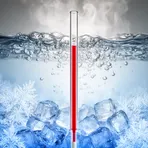 28
2.2
28
2.2
A unit for measuring temperature on the Celsius scale where water freezes at 0 and boils at 100
 28
3.1
28
3.1
A unit of temperature on the Fahrenheit scale used mainly in the United States
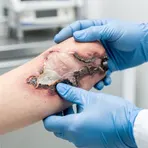
- Specialized
11
4.8
A very serious injury that destroys all skin layers can cause numbness and needs medical treatment



- Formal
9
4.6
A title a university gives to show respect for someone's work without study or exams


 3
3.2
3
3.2
A qualification that a college gives after about two years of study, shorter than a bachelor's degree

- Specialized
2
7.4
The number of different ways an object can move or be positioned

- Specialized
1
6.7
The number of values that can change freely in a statistical calculation
1
3.2
A certificate from a college or university that shows someone finished a course of study

- Specialized
1
3.4
A mild injury to the top layer of the skin that causes redness and pain without blisters

- Specialized
1
6.8
A measure of how much outside temperature is below or above a set level to estimate building energy needs

- Offensive

 1
9.5
1
9.5
An organization that gives degrees for little or no study and is not officially recognised
 1
4.4
1
4.4
The highest university award for advanced study and research, often called a PhD
 1
6.3
1
6.3
A university undergraduate degree given to students with the highest grades


- Specialized
A form of an adjective or adverb that shows one thing is more than another

- UK
The day when a university celebrates students finishing their studies with a formal ceremony

- Offensive
A rude joke phrase people use to say someone has a lot of experience with sex



A university qualification that universities give for better results and extra study

- Specialized
The base form of an adjective or adverb that shows a quality without comparison


- Specialized
The form of a describing word that shows the most of a quality, like smartest or most beautiful
How Advanced
- Specialized
58
7.0
 61
3.3
565
2.3
61
3.3
565
2.3
- US
3
3.2
307
2.7
Surface Forms
Etymology
Degree comes from the Latin root gradus, which means 'step' or 'stage', and is the same root behind grade and graduate. A university degree is a step in education, which is why it shows your level of study.