
first-degree burn
 1
3.4
1
3.4

- noun
- /ˈfɜrst dɪˈɡri bɜrn/
- Specialized
- Approximately 24 percent were diagnosed with burns, the majority of which (88 percent) were first-degree burns.
Examples
-
After spending too much time in the sun, she ended up with first-degree burns on her shoulders.
-
He sustained some first-degree burns, but he should be fine.
-
- She suffered first-degree burns on her arms and legs.
-
The barbecue incident-- it was a first-degree burn, not a third-degree burn.
-
You might possibly experience a few first-degree burns, but you'll only be alive for a few seconds after that anyway.
Fiction book (2000) -
First-degree burns.
-
Approximately one quarter of the patients were diagnosed with dermal burns, the majority of which were first-degree burns (Table 2).
Academic text (1998) -
I've got first-degree burns.
-
First-degree burns, such as sunburns, are the most painful kinds because they affect the nerve endings of the skin.
Blog text (1) -
Made up of flat pieces of lava set about three feet apart, they caught the full blast of the sunlight, and if we lingered too long on them, the heat burned through the thick rubber soles of our boots and sometimes produced first-degree burns on the bottoms of our feet.
Academic text (2011)
Synonyms
 157
1.8
157
1.8
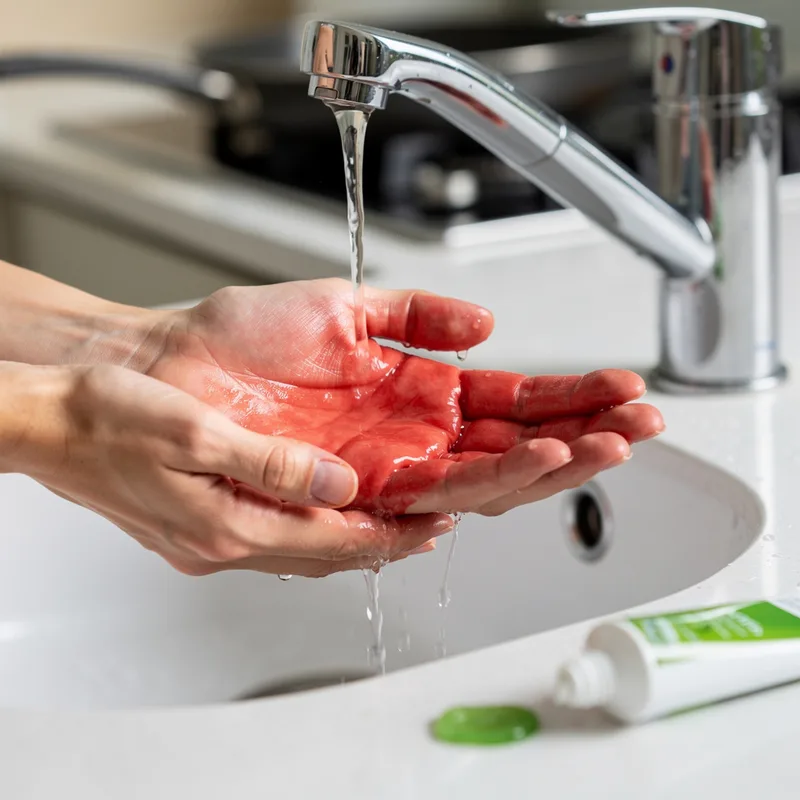
An injury to the skin caused by heat, fire, chemicals, or the sun
Antonyms
- Specialized
11
4.8
A very serious injury that destroys all skin layers can cause numbness and needs medical treatment

How Severe
- Specialized
11
4.8

- Specialized
9
3.4
- Specialized
1
3.4
Surface Forms
Morphology
first-degree + burn
The compound clearly builds on 'first-degree' as an ordinal severity label (the lowest level) and 'burn' as an injury, so a learner who knows those words can infer it refers to a mild, superficial burn. This ordinal + degree classification for injury severity is cross-linguistically common and follows normal compositional patterns, making the meaning predictable for a B1 learner.
Etymology
First-degree burn comes from the way people name burns by 'degrees' or levels of harm. The first level is the mildest: a quick touch of heat hurts only the outer skin, turning it red but not causing blisters, so the term means a mild burn.