
to decline
 3
3.4
3
3.4

- verb
- /dɪˈklaɪn/
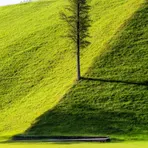
- The roof of the building declines at a sharp angle, allowing rainwater to run off easily.
- incline and decline
- gradually decline
Examples
-
The loss of the Ford plant caused the Assembly Square area ("Site") to decline, leaving a vast complex of empty buildings along Mystic and Middlesex Avenues.
Academic text (2001) -
There was only faint light from the window, and he could see the bright beacon of Jupiter declining to the western horizon.
Fiction book (1997) -
Imagine climbing to a tabletop mountain and then walking along its gently declining top.
Blog text (9) -
Forest cover and tree species richness decline to the west, as the luxuriant forests of the Southeast shift gradually toward mixed forests and grasslands, and ultimately to pure grasslands.
Academic text (2012) -
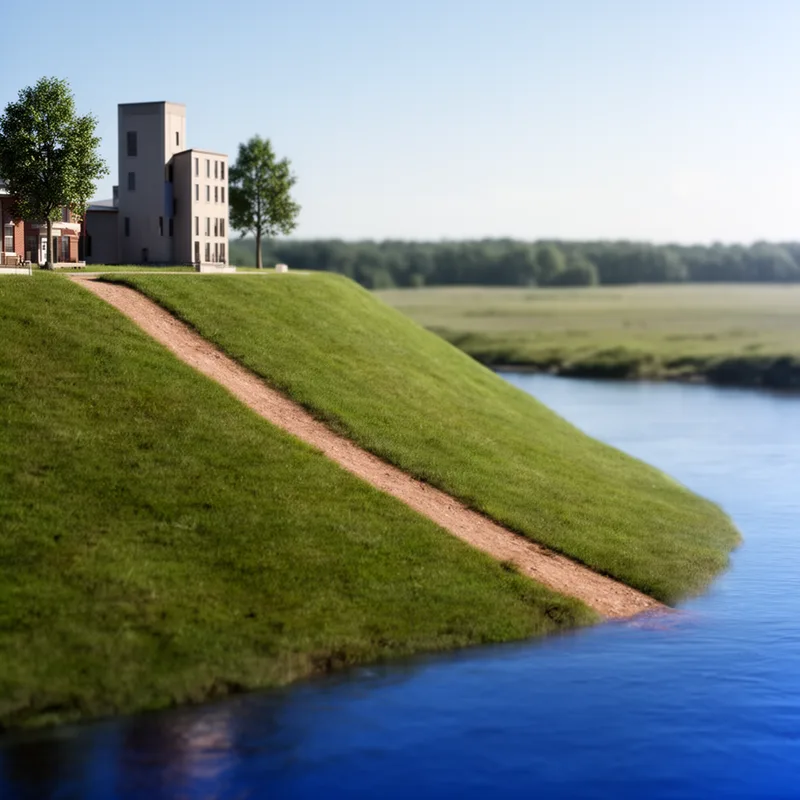
The path declines steeply toward the riverbank, making it difficult to walk.
-
As the sun sets, the landscape declines into shadows, creating a beautiful twilight.
Synonyms
 ∞
1.0
∞
1.0
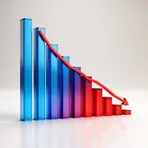
Become less in number or amount
 ∞
1.0
∞
1.0
To fall to a lower amount or level
 321
1.9
321
1.9
To become less in amount, size, or value
 221
2.8
221
2.8
To become lower, for example temperature or prices
 184
3.5
184
3.5
To become worse or fall to a lower level
 150
2.7
150
2.7
Move from a higher to a lower place
 49
2.6
49
2.6
Become less in number, amount, or quality
 41
2.7
41
2.7
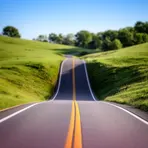
To move down at an angle
 29
1.7
29
1.7
To lean or slant so one side is higher than the other
 21
3.5
21
3.5
To become less in number or amount
 19
4.3
19
4.3
To become less in amount or quality
 2
3.3
2
3.3
To become less over time
 1
3.9
1
3.9
To slope up or down at an angle

Moving down from a higher to a lower position
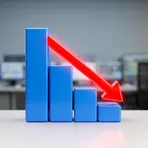
Becoming lower in amount or value

Becoming less in number, size, or strength
Antonyms


Compounds

How Steep

Surface Forms
Etymology
Decline comes from de- 'down' and clinare 'to bend', so it literally means 'to bend down'. That is why to decline can describe a surface or object that slopes downward.