

deceased
 1
3.5
1
3.5

- adjective
- /dɪˈsiːst/
- Formal
- The family gathered to remember their deceased father during the memorial service.
Loading YouTube…
Watch on YouTubeHe's now deceased, but he is a wonderful guy.
- He's now deceased, but he is a wonderful guy.
- So Kestre's named after her deceased aunt, right?
- Because somebody stole their plant and their stand and they're mad it was, it was the deceased grandmother's plant.
- And then as I gotten older, the interesting thing is that most of my personal board members are now deceased, including Bill.
- And it's like Julian, it's like she was sitting on a spring when we told her confirm to her that her husband was in fact deceased.
- Both, both, both Shiloh was going to the grandpa's funeral, her dad's dad, but her mom is also deceased.
- Him and his brother Terence McKenna, who's deceased, they're huge in the psychedelic world, the fathers of it, almost.
- Yes, the playwrights were either deceased or not present.
- And I recognized some of them as my deceased loved ones, like my dad, my best friend.
- And Sergeant Take right now, Sergeant Charles Take, he's deceased.
- There's so many things that that we can tell about someone that's deceased.
Examples
-
And I recognized some of them as my deceased loved ones, like my dad, my best friend.
-
And to your table you may invite anyone, living or deceased, who truly has your best interest in mind.
-
And we know that he is now deceased, dead.
-
And then as I gotten older, the interesting thing is that most of my personal board members are now deceased, including Bill.
-
Jailed for this offence, she was found deceased in her cell three days later.
-
He's now deceased, but he is a wonderful guy.
-
Yes, the playwrights were either deceased or not present.
-
So Kestre's named after her deceased aunt, right?
-
But he and his sister grew up in Omaha, raised by his deceased mother's sister.
-
Hospitals will transport deceased infants to the morgue in what looks like laundry so as to not upset people.
Synonyms
 ∞
1.0
∞
1.0
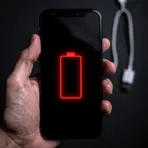
Not alive or working, for example a battery with no power
 292
3.9
292
3.9
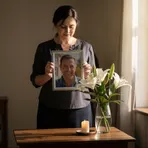
Used for a person who died recently
 28
3.4
28
3.4
Not moving and showing no signs of people or animals
 3
6.1
3
6.1
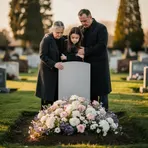
People say someone is not alive in a gentle, respectful way
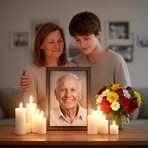
No longer living and often remembered
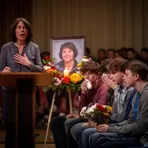
Deeply missed after death or loss and spoken of with sadness

Having no life or power at all

Not living any more, for example a person or animal
Antonyms

Compounds

Surface Forms
Morphology
Etymology
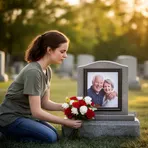
Deceased as an adjective has the same parts: de- 'away' and cease 'to stop'. That's why when we say 'the deceased man' we mean someone who is 'no longer living', and the word sounds formal and respectful.