
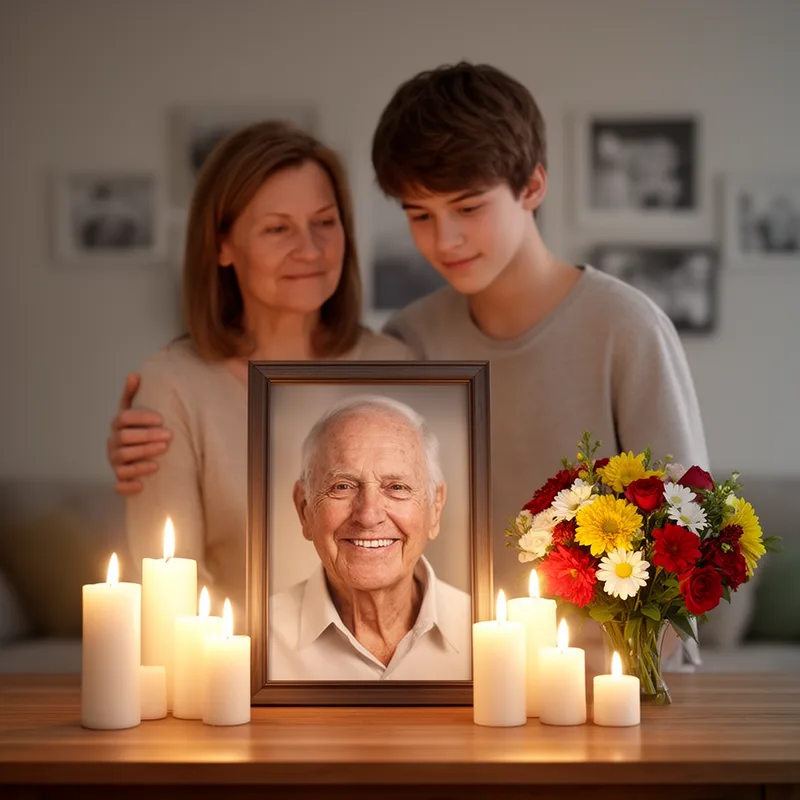
departed
- adjective
- /dɪˈpɑrtɪd/
- Formal
- And I would like to quote the great departed John Lewis.
Loading YouTube…
Watch on YouTubeWe went on to cry about those we had lost her parents, Ivan, my dad, Charlie and then on to much loved and departed pets.
- We went on to cry about those we had lost her parents, Ivan, my dad, Charlie and then on to much loved and departed pets.
Examples
-
So was your grandfather departed prior to the accident.
-
And you produce responses and interactions that imitate the departed person and maybe even have an avatar of them.
-
We went on to cry about those we had lost her parents, Ivan, my dad, Charlie and then on to much loved and departed pets.
-
So he says here the departed self must unite with its universality.
-
But the Second Mourner wondered if it might not offend the Departed One.
Fiction book (2000) -
We deal with tribal people who believe that they are riding their souls of the departed, riding on meteorites, on shooting stars into the netherworld.
-
She sheds a tear and thinks of home, her parents, deer departed from the worldly sphere full seven months ago.
-
Finally, to everyone's relief, Madame Utuburu rose to go, but the First Mourner urged her to follow the ancient tradition and take some little trifle from the house as a memento of the Departed One.
Fiction book (2000) -
We held a memorial service to honor our departed friend, who touched so many lives.
-
The museum features a section dedicated to famous departed artists from the 20th century.
Synonyms



 292
3.9
292
3.9
Used for a person who died recently
 1
3.5
1
3.5
A person who is not alive, used in formal or respectful speech
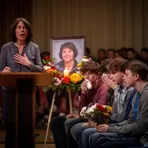
Deeply missed after death or loss and spoken of with sadness
Surface Forms
Morphology
Etymology
Departed comes from the verb depart, meaning 'to leave', so a helpful image is a person who has 'left' on a final journey. That's why calling someone 'departed' means they have died.