
at rest
 3
6.1
3
6.1

- idiom
- /æt rɛst/
- Formal
- My favorite is Psalm 116:7: "Be at rest once more, O my soul, for the Lord has been good to you."
- put your mind at rest
- body at rest
- mind at rest
Loading YouTube…
Watch on YouTubeShe said your work is done, be at rest.
- She said your work is done, be at rest.
Examples
-
On Jim King's tombstone were the words, "A faithful sovereign at rest."
Fiction book (2000) -
Jada leaned down to read the water-stained inscriptions: "An Angel has returned Home." "Our little Darling is At Rest."
Fiction book (1993) -
Put your father at rest.
-
And they are all at rest.
Fiction book (1993) -
His tortured soul is at rest.
-
She's at rest with mother.
-
Miss Mina, I promise you that after tonight she will remain at rest, her soul released from this horror.
-
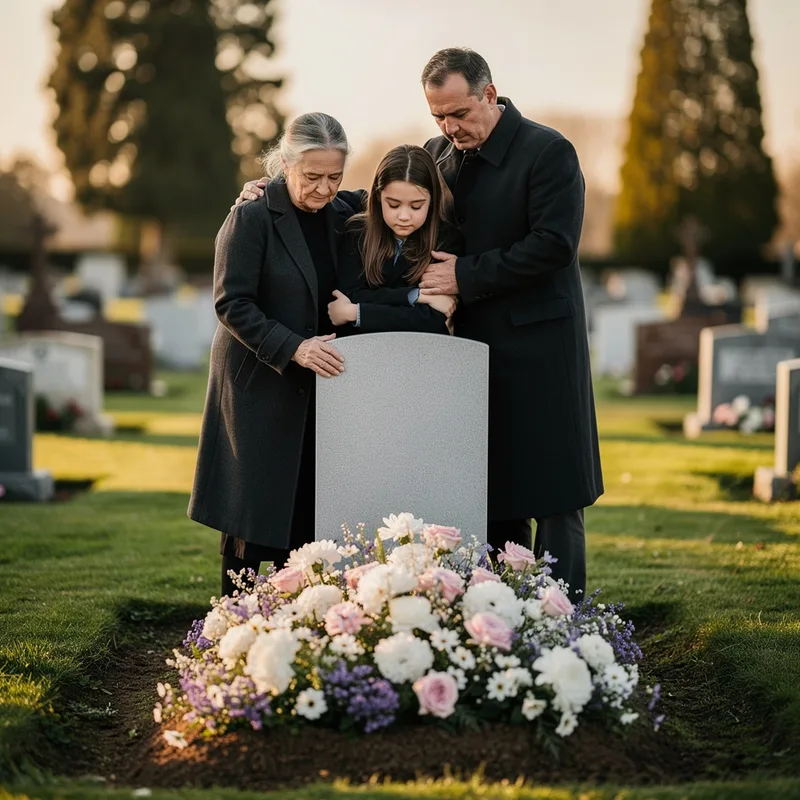
The community gathered to honor the memory of their beloved leader, who is now at rest.
-
After a long illness, she is finally at rest, free from pain and suffering.
-
He visited the cemetery to pay his respects to his grandfather, who is at rest beneath the old oak tree.
Synonyms
 ∞
5.5
∞
5.5
No longer alive
 1
3.5
1
3.5
A person who is not alive, used in formal or respectful speech

No longer living and often remembered
Antonyms

Surface Forms
Morphology
at + rest
The sense 'not moving or inactive' follows directly from combining 'at' (indicating a state or location) with 'rest' (a period of stopping activity), forming the common pattern 'at X' = 'in a state of X'. The technical usage 'data at rest' is just an extension of this transparent meaning (data that is not being transmitted or processed), so a B1 learner who knows the constituents would likely infer the MWE's meaning.
Etymology
At rest comes from the old image of death as a final sleep. When someone is buried they lie still and peaceful, like they are finally resting, so the phrase became a gentle way to say 'dead'.