

cultural
 622
3.5
622
3.5

- adjective
- /ˈkʌltʃərəl/
- Many festivals around the world celebrate cultural diversity and heritage.
- social and cultural
- cultural competence
- cultural diversity
Loading YouTube…
Watch on YouTubeNot the religious sort, just the cultural Jewish sort.
- Not the religious sort, just the cultural Jewish sort.
- It's harder to create a cultural moment with streaming.
- I want to say it was a cultural food, right?
- It's through all the cultural stories that we pass on.
- And with that came, you know, this cultural obsession with thin, right?
- I think my theory is that it was a cultural change that took place.
- Another word for rogue cultural variants is memes.
- And this is the big cultural change that we see.
- And it's a key part of their cultural tradition and history.
- Is this truth, or is it cultural perception?
- So these are some of the things that cultural mindfulness can help us with.
- Let's say a word that doesn't have any cultural load to bear.
- So I want to give a little bit of cultural framework for this.
- These kinds of judgments hurt, and cultural issues don't help.
- That shows what cultural evolution can do.
- Is there anybody who has who wields more cultural influence than Kanye West?
- So these big projects they make together cement cultural identity, right?
- And that's going to be a, a kind of cultural revolution of sorts.
- Racism is the reduction of the cultural to the biological.
- DNA molecules replicate themselves and so do cultural units like this.
Examples
-
And it's a key part of their cultural tradition and history.
-
Walker structures her story in a familiar African American cultural pattern, that of call and response.
Academic text (2017) -
There are both legal and cultural issues that get in the way.
-
It's through all the cultural stories that we pass on.
-
I think my theory is that it was a cultural change that took place.
-
And this is the big cultural change that we see.
-
Some people would say the problem is cultural.
-
Well, this is an interesting metaphor for cultural production, is it not?
-
Is this truth, or is it cultural perception?
-
Today, foreign-language teaching is moving away from cultural awareness and toward language as a transaction.
Academic text (2012)
Compounds
 11
3.7
11
3.7
Traditions, objects, and customs people keep and pass on to future generations
 11
7.9
11
7.9
A political movement in China that removed old ideas and punished many educated people


 3
3.0
3
3.0
A way for people from different cultures to share ideas, traditions, and customs
 2
5.8
2
5.8
The study of how people in different groups live and share beliefs and customs
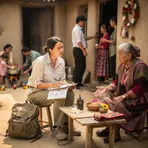 2
7.5
2
7.5
A person who studies people's beliefs, customs, and daily life in different societies
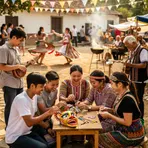 2
3.5
2
3.5
An activity where you see and take part in a group's art, customs and daily life
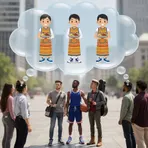 2
4.4
2
4.4
A simple idea many people have about people from one country or culture, often not true


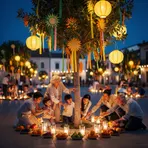
 1
2.4
1
2.4
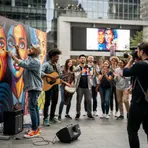
An event that celebrates a community's traditions, music, dance, food, and art
- Formal

 1
7.5
1
7.5
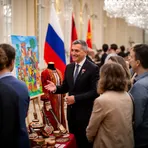
A diplomat at an embassy who promotes their country's culture to the host country
- Offensive
1
8.9
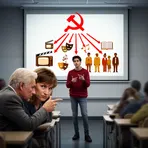
A person who promotes Marxist ideas to change culture, often used as an insult

- Specialized
1
5.5
Ideas, values, and ways of behaving that many people in a group share

A mass political movement led by Mao in China from 1966 to 1976 that attacks intellectuals and causes widespread violence

A United Nations agency that promotes education, science, culture, and communication worldwide

Knowledge and respect for cultural differences that helps people live or work together


- Specialized
Ideas, customs, and goods like music or food spread from one group to another
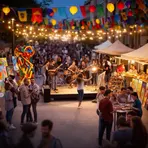


A thing, person, or place that shows people from many countries together

How Orthodox
1
7.7
 1
7.9
8
4.8
994
1.5
622
3.5
143
4.7
1
7.9
8
4.8
994
1.5
622
3.5
143
4.7
Surface Forms
Morphology
Etymology
The word cultural also comes from the same Latin cultura and colere, meaning 'to cultivate' or 'to care for'. That's why cultural can mean the things people 'grow' together—arts, customs and ideas—so it links directly to culture and cultivate.