
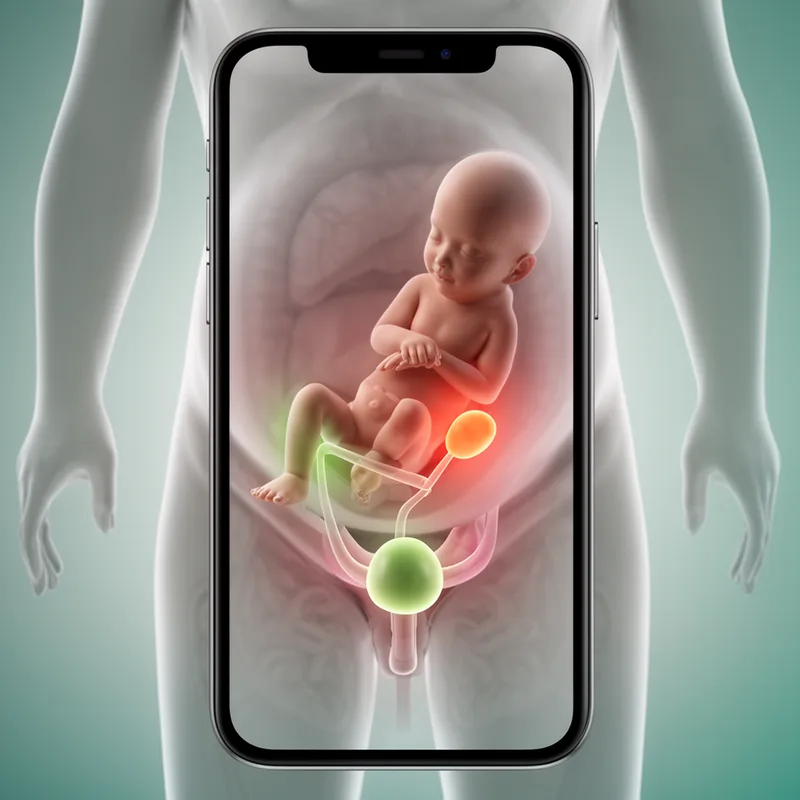
cryptorchidism


 1
9.9
1
9.9
- noun
- /ˌkrɪpˈtɔrkɪdɪzəm/
- Specialized
- Most of our patients presented with different degrees of micropenis, hypospadias, and cryptorchidism.
- boys with cryptorchidism
- cryptorchidism and hypospadias
Examples
-
Research studies have shown the following may make testicular cancer more likely: an undescended testicle (cryptorchidism).
Academic text (2010) -
And also cryptorchidism, which means that little kids don't have fully descended testicles when they're born.
-
In our study population, AGD and penile length were significantly lower in boys with hypospadias or cryptorchidism than in healthy boys.
Academic text (2014) -
Most patients presented with undervirilization, such as microphallus, variable degrees of hypospadias, and cryptorchidism.
Academic text (2018) -
Data were collected from 154 boys with genital abnormalities; two boys had both hypospadias and cryptorchidism and were excluded from the study.
Academic text (2014) -
Abnormalities of the reproductive system include cryptorchidism, hypospadias, hypoplastic uterus, and vaginal atresia.
Academic text (2004) -
Many boys experience cryptorchidism, which means that one or both of their testes do not descend into the scrotum.
-
Doctors often advise surgery for cryptorchidism to help ensure normal development and prevent future complications.
-
Parents should consult a pediatrician if they suspect their child may have cryptorchidism after birth.
Synonyms

A condition in which one or both testicles do not move down into the scrotum before birth
A condition where one or both testicles stay inside the body instead of moving into the scrotum before birth
Surface Forms
Morphology
cryptorchidism = cryptorchid (opaque) = crypt + orchid + ism
The term is built from learned Greek combining forms and is a technical medical term whose components ('crypt' and 'orchid' as 'testis') are not familiar to general learners.
Etymology
Cryptorchidism comes from Greek parts crypt- meaning 'hidden' and orchis meaning 'testicle', and the ending -ism shows a 'condition'. So it literally means 'hidden testicle', which is why the word describes when a testicle has not come down into the scrotum.