

cross-grained
- adjective
- /ˈkrɔsˌɡreɪnd/
- Specialized
- The carpenter found the cross-grained oak difficult to plane smoothly.
Examples
-
The cross-grained nature of the timber made it unsuitable for fine cabinetry.
-
Furniture made from cross-grained wood tends to warp more easily.
-
The carpenter struggled with the cross-grained wood.
-
This piece of furniture is made from cross-grained timber.
-
The cross-grained wood proved challenging to work with during the construction of the table.
-
Due to its cross-grained characteristics, the oak was not ideal for precision cutting.
-
He realized that using cross-grained timber would require more effort to achieve a smooth finish.
Synonyms

Wood with grain lines that look wavy because the fibers do not run straight
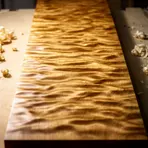
Wood that shows wavy lines because its fibers run unevenly
How Workable
- Specialized

- Specialized
Surface Forms
Morphology
Etymology
Cross-grained comes from the way wood is built: grain is the lines or 'fibers' in wood and cross means 'across' or against those lines, so the wood is harder to work because its fibers run the wrong way.

