
corporeity
- noun
- /kɔːrˈpɔːriˌɪti/
- Formal
- Discussions about corporeity often focus on the relationship between material form and consciousness.
Examples
-
Still, this is the very point: the human being has to be conceived as Existenz, that is, as mainly being-for-death and excluding from one's self any ontological belonging to the living being as organism, namely in the same way in which one could conceive the animal's corporeity.
Academic text (2017) -
Aquinas rejects the idea that there are other substantial forms, such as corporeity, vegetative soul, animal soul, and so on, that also determine the being of a human person. The intellective soul, therefore, determines the whole person's mode of being as its sole substantial form.
Academic text (2017) -
The study of corporeity highlights how physical existence distinguishes humans from spiritual entities.
-
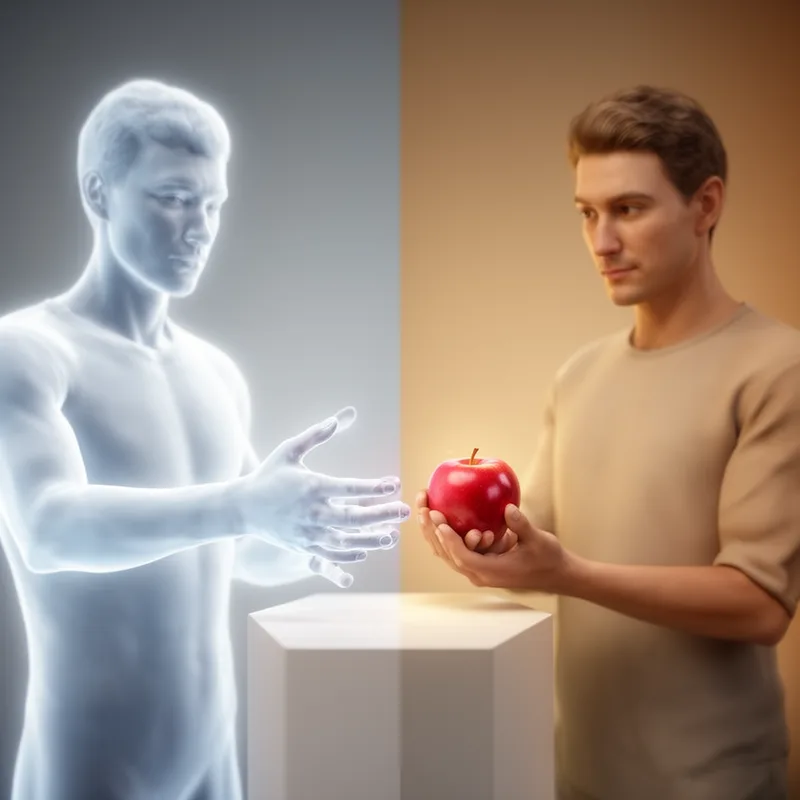
In philosophy, corporeity refers to the quality of having a physical body, which is essential to understanding human nature.
Synonyms

 7
5.9
7
5.9

A clear feeling of the body and its movement
 3
7.9
3
7.9
Physical existence of something you can touch or see


 1
9.6
1
9.6
The state of being physical and having a body
 1
7.2
1
7.2
Being made of things you can touch

The quality of having a physical body rather than being only a mind
Antonyms


How Physical

Surface Forms
Morphology
corporeity = corporeal (semi-transparent) = corpore + ity
Formed by a bodily/adjectival base ('corporeal') plus the nominalizing suffix '-ity'; the meaning 'state of being bodily' is clear but the combining form 'corpore-' is somewhat rare and may be unfamiliar to learners.
Etymology
Corporeity comes from the Latin root corpus, which means 'body'. It is the same root in common words like corpse and corporeal, so corporeity simply means having a physical 'body' rather than being only a 'spirit'.