

intangibility
 1
8.3
1
8.3

- noun
- /ɪnˈtændʒəˌbɪlɪti/
- In art, the intangibility of emotions can evoke deep feelings without needing physical form.
Examples
-
My intangibility.
Blog text (26) -
It's an epic meditation on intangibility.
-
In this age of computer and internet intangibility, it's hard sometimes to draw the line.
Blog text (33) -
The intangibility of the past is terrifying.
-
Of course, the intangibility of most legal services contributes to the perception that their value is illusory.
Academic text (1995) -
"Spirit's insubstantial," I said. "He doesn't hold with intangibility."
Fiction book (1995) -
The "intangibility" of what follows evolves from "naturalistic observation," which can be considered the "tangible" aspect of the times.
Academic text (2005) -
Clearer thinking about the intangibility of verbal works, however, leads in the other direction, toward a recognition of the unique artifactual value of every one of the objects that we call books—not only every manuscript book but every "copy" of every printed edition.
Academic text (1992) -
To avoid etymological and common usage criteria of reciprocity, we substitute influence, a more general term that encompasses one-way cause and effect phenomena, although that word too is laden with semantic problems, such as the sense of intangibility.
Academic text (2001) -
The intangibility of love makes it difficult to measure how much we truly care for others.
Synonyms


 1
9.6
1
9.6
Not having a physical body or any substance

A state of not being able to be touched or measured

A state of having no physical body or shape

Not having a physical body or material form

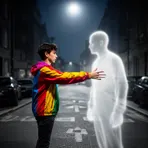
You cannot feel it by touch, like a light mist
A lack of being real, strong, or convincing
Antonyms

How Tangible

Surface Forms
Morphology
intangibility = intangible (transparent) = in + tang + ible + ity
The noun is formed regularly from the adjective 'intangible' with '-ity', meaning the quality or state of being intangible.
Etymology
Intangibility comes from the prefix in- meaning 'not' and the root tang- meaning 'to touch', the same root you see in tangible. So intangibility is the quality of being 'not touchable', which is why we use it for things you cannot touch or hold.