
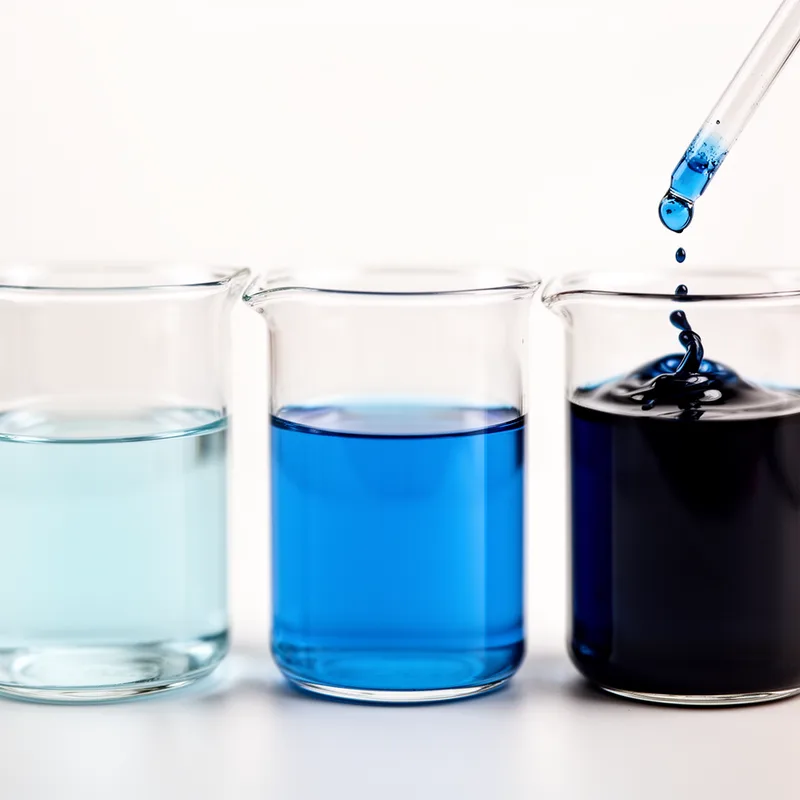
concentration
 101
4.0
101
4.0

- noun
- /ˌkɒnsənˈtreɪʃən/
- Specialized
- Scientists are studying the concentration of pollutants in the river to assess environmental impact.
Loading YouTube…
Watch on YouTubeAnd we found that the ingredients have very different concentrations than in solar system materials.
- And we found that the ingredients have very different concentrations than in solar system materials.
- There are some alcohol products like kombucha that has a higher alcohol concentration that's healthy for your gut.
- It's not a function of the concentration of the constant.
- The D product DT is some function of concentration raised to some power.
- What I have discovered is that this protein in normal low concentration leads to memory.
- It's not the same processing or concentration of cells.
- A better way to predict risk is to add up the concentration of all the APOP particles.
- And we'll say, well, why didn't you do a higher concentration?
Examples
-
For example, when factories burn coal, they release high concentrations of sulfur oxides.
-
The DuPont Company has advised the Lubeck Water District that low concentrations have been found in the district's wells.
-
OK, The analysis that was done was mostly to find the concentration of the air.
-
So this is the local concentration driving force in the device.
-
It's the same as the concentration in plasma, right?
-
So E is the concentration of the incoming salt.
-
The UK population has one of the highest average cholesterol concentrations in the world.
Academic text (2011) -
Preliminary tests indicate the victim had a high concentration of serotonin in the brain stem.
-
Thus, all samples had a final concentration of 0.5% HCl and 2% HNO3.
Academic text (2013) -
Follow-up investigation attributed the high concentration to a recent over-treatment of a nearby pond with simazine.
Academic text (2008)
Synonyms
 179
1.6
179
1.6
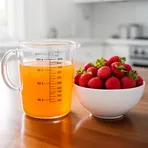
An amount of something you can measure or count
 129
4.8
129
4.8
The amount of a substance in something, for example fat or alcohol
 88
2.8
88
2.8
How much effect a medicine, liquid, or signal has
 3
9.4
3
9.4
A measure of how much of a substance is in a liquid, for example antibodies in the blood

 1
8.8
1
8.8
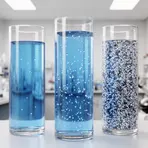
The amount of tiny dissolved particles in a liquid that is measured per liter

The amount of dissolved substance in one liter of solution
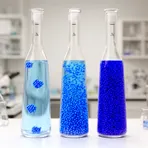
Amount of a substance dissolved in one liter of solution measured in moles per liter

The number of moles of dissolved substance in one kilogram of liquid like water

The amount of dissolved substance in each kilogram of the liquid that holds it

The amount of dissolved particles in one kilogram of a liquid
Antonyms

Compounds

- Offensive
49
5.6
A place where many people are imprisoned without trial in harsh, crowded conditions

- Offensive
3
6.8
A place or situation where people are kept under very harsh, crowded, and controlled conditions

- Specialized
1
6.0
A gradual change in the amount of a dissolved substance from high to low across a space

A place like a prison in northwest Germany where Nazis held and killed many Jewish people during World War II

A camp in central Germany run by the Nazis where many people are imprisoned and killed during World War II

A Nazi camp near Munich where the government locked up and killed Jews and other people during the Holocaust

A camp in southwest Poland where Nazis killed many people, mostly Jewish people, during World War II
- Specialized
Amount of a substance dissolved in one liter of solution measured in moles per liter
- Specialized
The amount of dissolved substance in each kilogram of the liquid that holds it

- Specialized
The amount of hydrogen ions in a liquid that shows how acidic it is
How Concentrated

Surface Forms
Morphology
concentration = concentrate (transparent) = concentrate + ion
A standard nominalization of the verb 'concentrate' with the productive suffix '-ion'; learners who know the verb can infer the noun meaning.
Etymology
Concentration comes from the parts con- 'together' and center 'middle', so it originally meant 'bringing things to the middle'. That's why in science it now describes how much of a substance is crowded together in a solution.