

compression
 13
3.8
13
3.8

- noun
- /kəmˈprɛʃən/
- Specialized
- Zavitz had digital compression equipment in his apartment.
- compression algorithm
- data compression
- lossless compression
Loading YouTube…
Watch on YouTubeMarcus Hutter, he, he made this prize for compression of Wikipedia pages.
- Marcus Hutter, he, he made this prize for compression of Wikipedia pages.
- And we've traded computational complexity for compression ratios.
- It's just whether it was the added latency of the link cable or the compression, because it's kind of crushed black, it's all dark.
- And they came back to him and said, here, use this compression technique and, you know, get crazy for that.
Examples
-
So which file compression format should you use?
-
Gary gave me a new compression scheme today.
-
And now the trend is towards dedicated hardware to handle video compression and video decoding.
-
The two dominant lossless compression formats are FLAC and ALAC.
-
With such "visually lossless" techniques, one can nowadays achieve compression ratios of 20:1 or better.
Academic text (1992) -
This software uses advanced compression algorithms to reduce file sizes for faster uploads.
-
The compression of the image allows it to be sent more quickly over the internet.
-
For better performance, this app implements compression to optimize data storage and transmission.
Antonyms

- Specialized
2
4.9
To turn compressed digital files back into their original usable form
Compounds
- Specialized
1
6.8
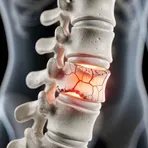
A broken bone that is pushed together and becomes shorter, often in the spine

- Specialized

 1
6.0
1
6.0
Number that shows how much gas is squeezed in an engine or compressor

- Specialized
1
6.1
Pressure on a nerve that causes pain, numbness, or muscle weakness

- Specialized
A way of making a photo file smaller by removing extra data so it uses less space
How Complex
15
4.2

- Specialized
- Specialized
12
4.7
- Specialized
13
3.8
- Specialized
211
3.3
Surface Forms
Morphology
Etymology
Compression comes from the Latin parts com- ('together') and premere ('to press'), the same root you see in press and pressure. So in data and files, compression is like 'pressing' information together to make it smaller for storage or to send faster.