
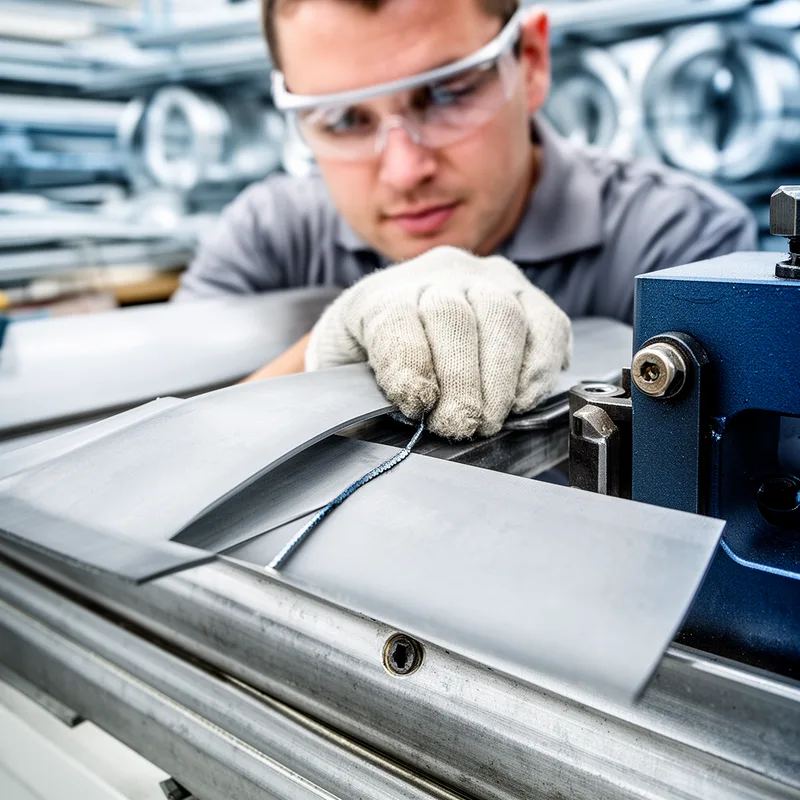
to coldwork
- verb
- /ˈkoʊldˌwɜrk/
- Specialized
- He coldwork metal.
Examples
-
They coldwork aluminum parts to achieve the desired dimensions.
-
The technician decided to coldwork the steel sheet for greater precision.
-
Metals that have been coldworked often exhibit increased hardness and strength.
-
The artist coldworks metal to create intricate sculptures.
-
The metalsmith decided to coldwork the steel to create intricate designs.
-
To achieve a smoother finish, she chose to coldwork the brass instead of using heat.
-
He learned to coldwork aluminum by rolling it into thin sheets.
Synonyms

To shape metal by bending or hitting it at room temperature without heat
Antonyms
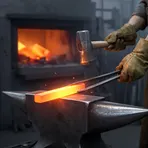
- Specialized
To shape metal by heating it and then hammering or pressing it while hot
Surface Forms
Morphology
Etymology
The word coldwork comes from the simple parts cold ('not hot') and work ('to shape or change with tools'), and it means shaping metal without heat. Think of hammering or bending metal without heating it — that is why coldwork often makes metal harder or stronger.

