
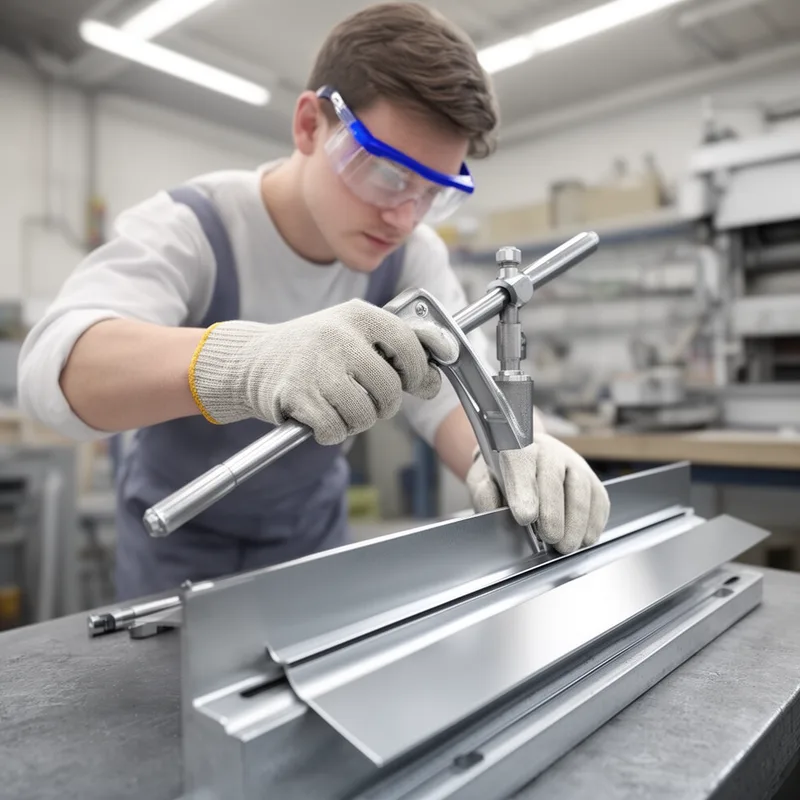
to cold work
- phrasal verb
- Specialized
- If you don't plan your cold work carefully, you might make the material too brittle.
Examples
-
The technician instructed the workers on how to effectively cold work the steel without applying heat.
-
A valuable side effect of wire drawing is that cold-working aligns the metal grains and raises the tensile strength of most alloys; this hardening is not an unmixed blessing.
Academic text (2012) -
To improve the metal's strength, it is important to perform cold work rather than heating it.
-
Through cold work, the metal can be shaped into precise forms using just mechanical pressure.
Synonyms
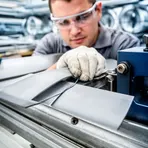
To shape metal by hammering, rolling or bending without heat
Antonyms
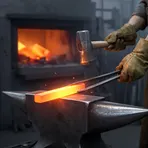
- Specialized
To shape metal by heating it and then hammering or pressing it while hot
How Hot
- Specialized

- Specialized
Surface Forms
Morphology
The meaning 'to shape metal at room temperature without heat' is directly derivable from combining 'cold' (without heat) with 'work' (to shape or manipulate), i.e. working in a cold state. Although it is a technical metallurgical term, the compositional logic is standard and a B1 learner who knows both constituents would readily infer the intended meaning.
Etymology
The verb cold work comes from the literal image of shaping metal while it is cool: workers hit, bend, or roll metal with tools instead of heating it. So cold, meaning not hot, plus work, meaning to shape, explains why 'cold work' means 'to shape metal by force at room temperature'.

